




3 Wheel Electric Forklift
Compact Cold Storage Electric Forklift Solutions Featuring the Akuros E16 Series
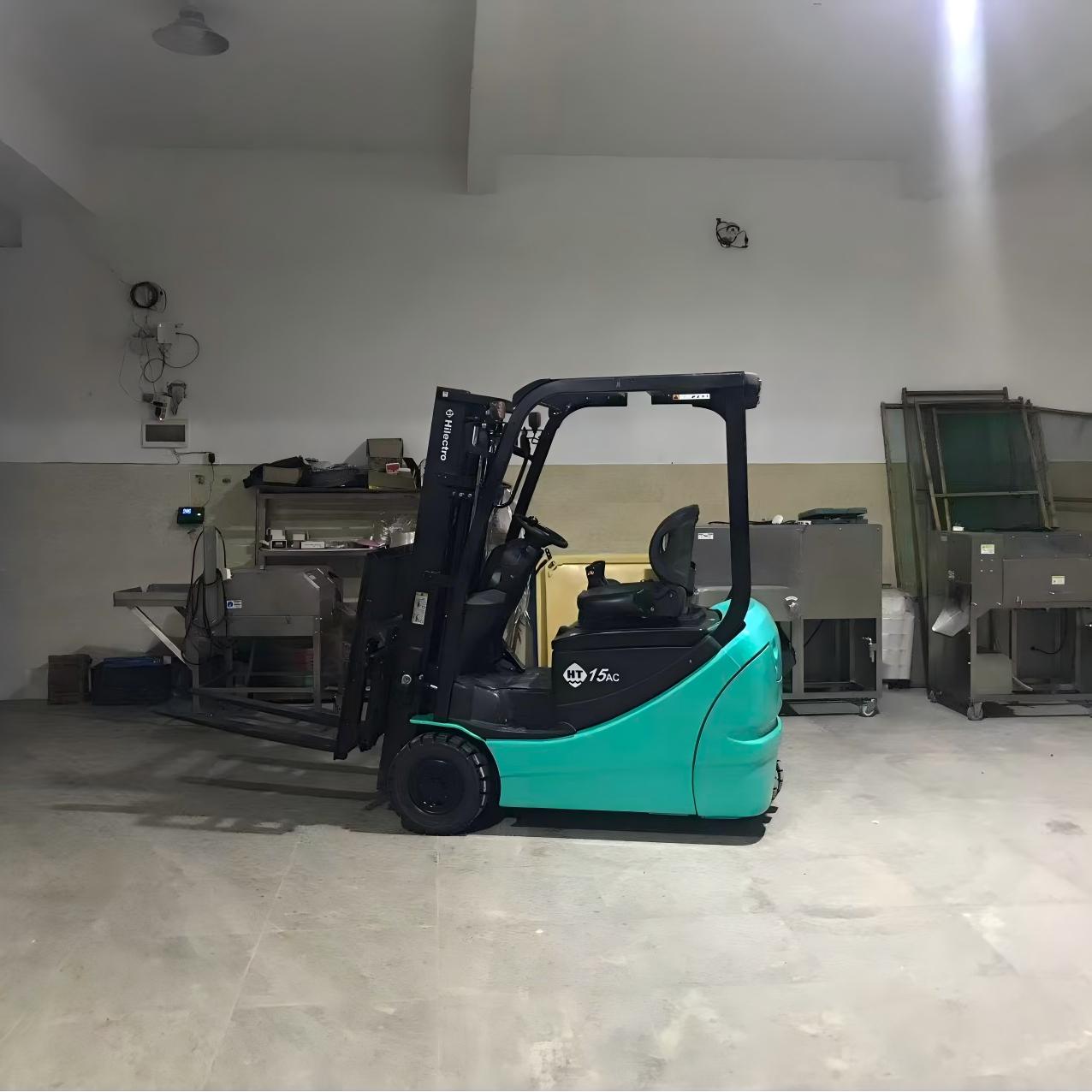
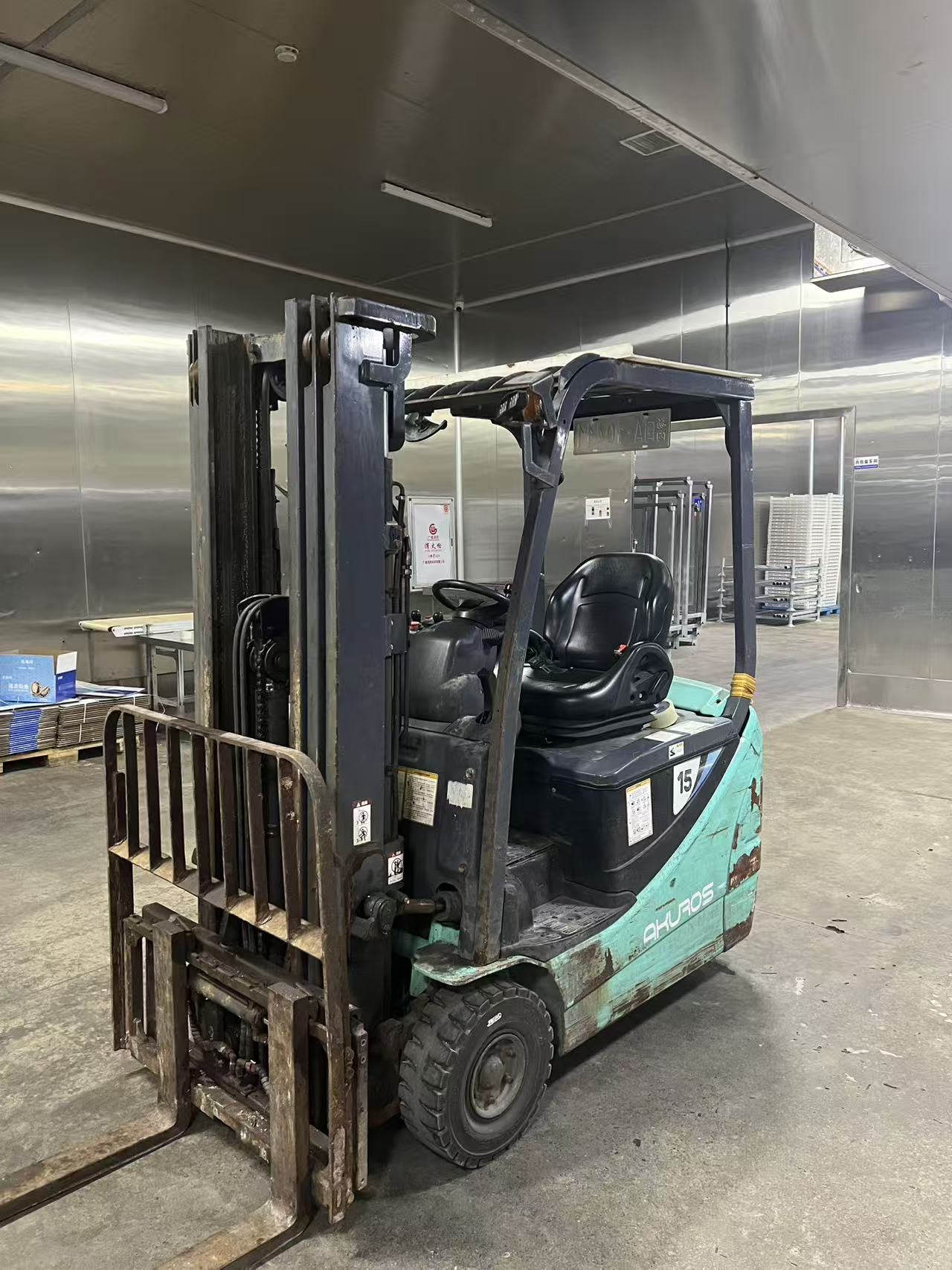
The Akuros E16 3 Wheel Electric Forklift for Cold Storage is designed for pallet handling in refrigerated warehouses, freezer transfer zones, frozen food facilities, pharmaceutical cold-chain centers, and other temperature-controlled indoor environments.
Depending on the final configuration, the E16 Series supports rated capacities from 1.6 to 2.0 tons. Its dual-motor electric drive and three-wheel rear-steering layout provide compact maneuverability for cold rooms where aisle width, rack clearance, insulated walls, doors, and staging areas limit the available operating space.
Compared with a standard indoor forklift, a cold-storage forklift must be selected according to more than rated capacity. Buyers should also confirm the actual temperature range, working hours, condensation exposure, floor condition, lift height, pallet size, battery strategy, tire requirements, and the frequency of movement between cold and ambient zones.
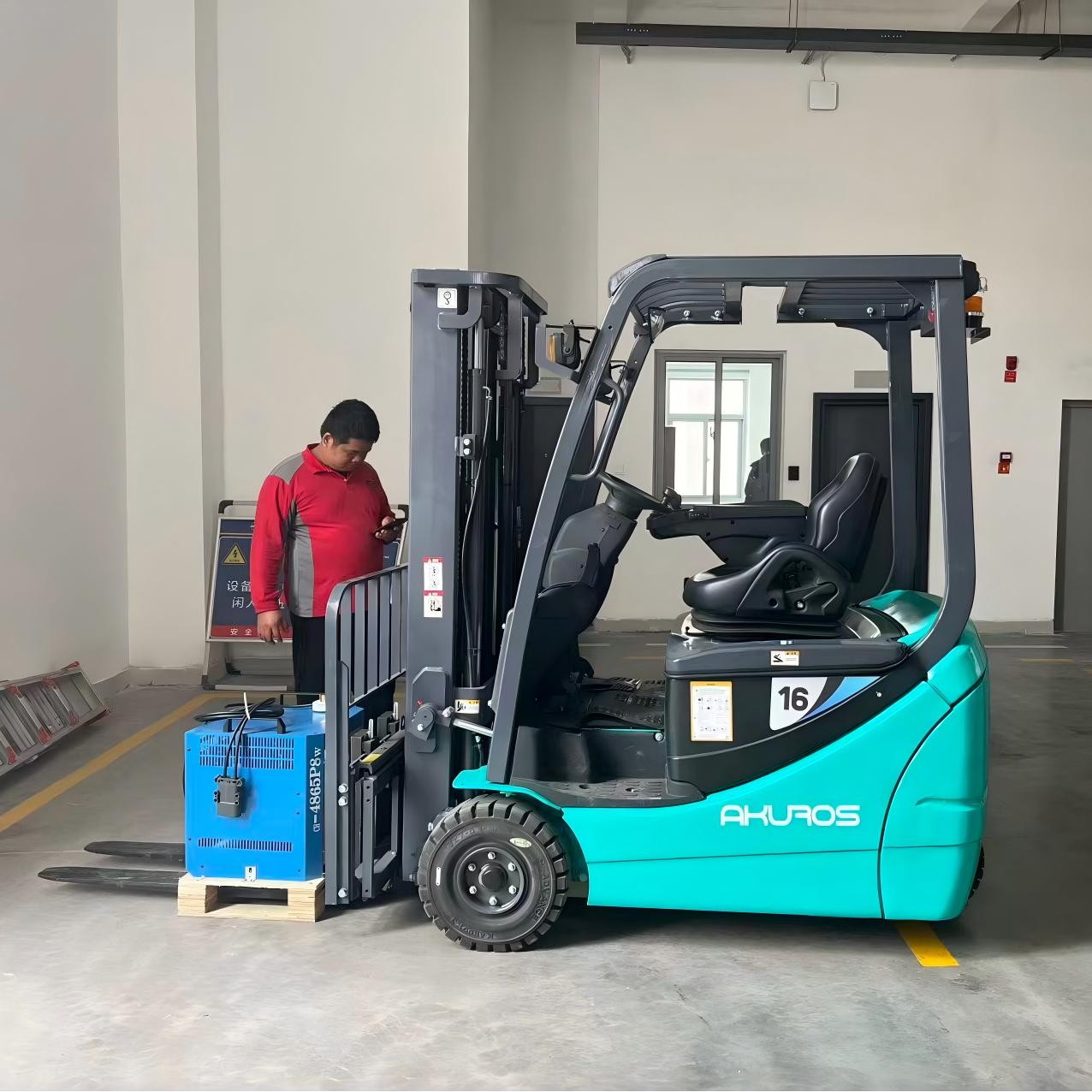
The E16 can be configured with lead-acid or lithium battery options according to the operating schedule and charging strategy. Cold-storage protection, tire selection, mast configuration, and other equipment details should be matched to the actual warehouse environment before the final quotation is confirmed.
Capacity:
1.6–2.0 tons
Drive Type:
Dual-motor electric drive
Steering:
3-wheel rear steering
Battery:
Lead-acid/lithium optional
Integrated Cold Storage Technology Improves Operating Reliability
Low-Temperature Protection and Condensation Control
Cold-storage operation places additional demands on electrical components, wiring connections, hydraulic systems, seals, metal surfaces, and other forklift components. These requirements become more important when the forklift repeatedly moves between ambient loading areas and refrigerated or frozen warehouse zones.
For the Akuros E16, the required cold-storage configuration should be reviewed according to the actual temperature range, humidity, condensation exposure, working frequency, and time spent inside the cold room. Depending on project conditions, buyers should confirm component protection, system sealing, corrosion resistance, low-temperature hydraulic materials, and moisture-control requirements before ordering.
If the forklift remains continuously inside one cold zone, focus on stable low-temperature component performance. If it repeatedly moves between cold and warm zones, condensation control and component protection become higher priorities.
Lead-Acid or Lithium Battery Configuration
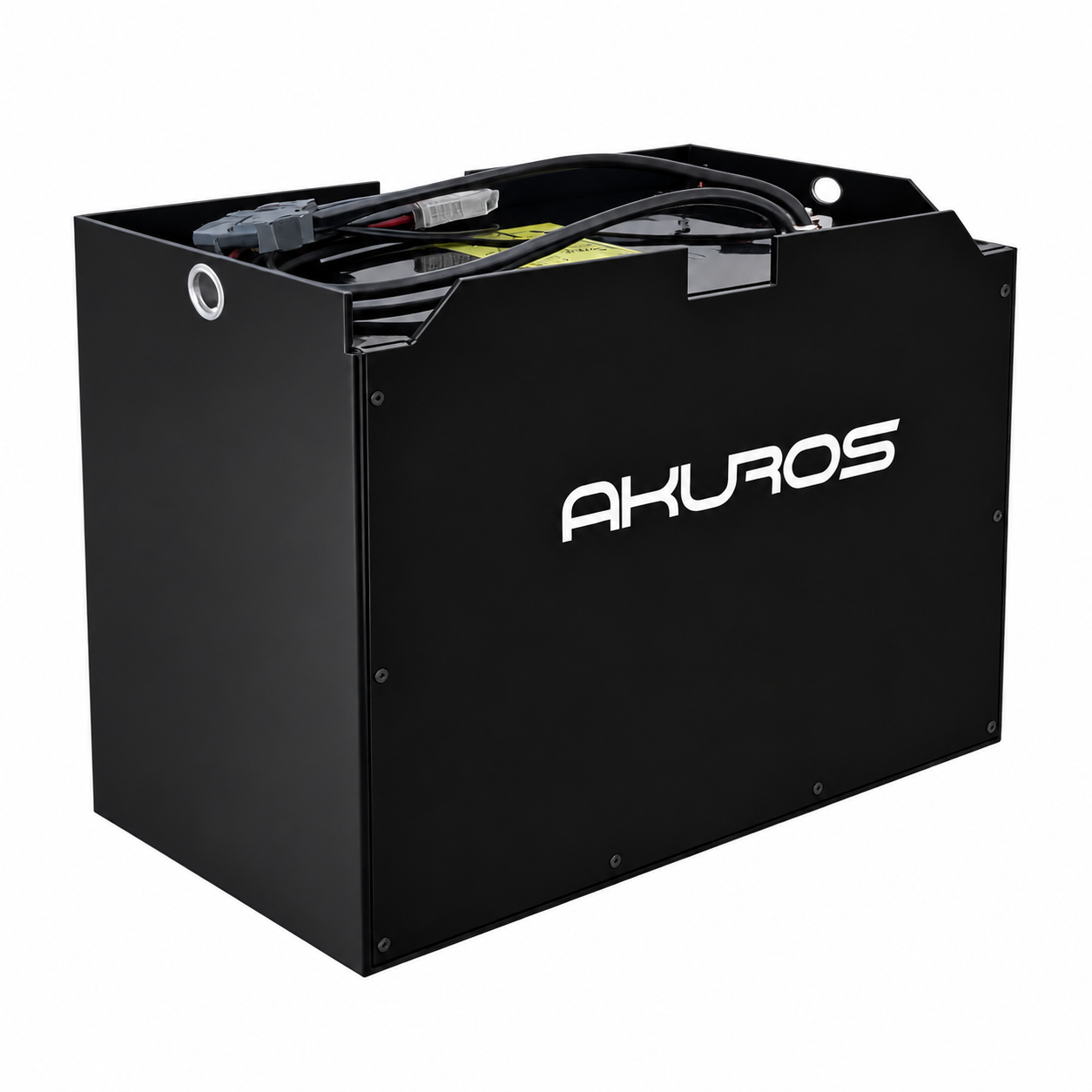
The Akuros E16 can be configured with lead-acid or lithium battery options, giving buyers greater flexibility for different shift patterns, charging arrangements, maintenance preferences, and equipment availability requirements.
Lead-acid batteries may suit operations with planned charging windows and established maintenance routines. Lithium batteries may be more suitable where faster charging, opportunity charging, and higher equipment availability are priorities.
Battery selection should also consider cold-room temperature, working hours per shift, travel distance, lifting frequency, charging-room conditions, and how often the forklift moves between cold and ambient areas. The forklift, battery, charger, and daily operating schedule should be evaluated as one complete system rather than selected separately.
Key Features for Cold Storage Operations
Compact Three-Wheel Maneuverability
The Akuros E16 uses a compact three-wheel rear-steering layout to support tighter turning and more flexible movement in refrigerated warehouses, freezer transfer zones, and narrow indoor aisles.
This configuration helps operators reposition the forklift more efficiently near cold-room doors, rack ends, insulated walls, staging lanes, and pallet transfer areas where available turning space is limited.
If compact turning and indoor aisle efficiency are the main priorities, choose the three-wheel E16. If the application includes rough floors, frequent ramps, outdoor travel, or higher stability requirements, a four-wheel forklift should also be evaluated.
Dual-Motor Electric Drive
The Akuros E16 is equipped with a dual-motor electric drive designed to support smooth acceleration, controlled steering, and responsive indoor movement during frequent pallet-handling operations.
Electric operation produces no direct exhaust emissions during normal use and supports lower-noise material handling in enclosed refrigerated warehouses, food storage facilities, pharmaceutical cold-chain centers, and other temperature-controlled environments.
The drive system should be matched with the selected battery, shift duration, charging schedule, travel distance, and cold-storage operating conditions to maintain practical performance throughout the working cycle.
Cold Storage Application Matching
The E16 should be configured according to the actual cold-storage environment rather than selected only by rated capacity and purchase price.
Important matching factors include operating temperature, humidity, condensation exposure, shift duration, pallet weight, load center, lift height, aisle width, floor condition, tire requirements, battery strategy, and the frequency of movement between cold and ambient zones.
A properly matched configuration helps reduce the risk of insufficient battery runtime, unsuitable traction, excessive condensation exposure, poor maneuverability, or selecting a forklift that does not fit the warehouse layout and daily workflow.
Productivity in Refrigerated Warehouse Operations
Faster Turning in Compact Cold Rooms
The Akuros E16 uses a compact three-wheel rear-steering layout to support frequent turning and more flexible movement in refrigerated warehouses, freezer transfer zones, and narrow indoor aisles.
Its compact configuration helps operators reposition the forklift near cold-room doors, rack ends, staging lanes, and pallet transfer areas with fewer forward and reverse movements.
If maneuverability and indoor space efficiency are the main priorities, the three-wheel E16 is a practical choice. If the application includes rough floors, frequent ramps, outdoor travel, or heavier-duty stability requirements, buyers should also evaluate a four-wheel forklift.
Stable Battery Performance Across the Shift
Low-temperature working conditions can affect battery behavior and reduce the available operating time during a shift. Battery selection should therefore be based on the real cold-room temperature, working hours, travel distance, lifting frequency, charging window, and charging-room conditions.
The Akuros E16 can be configured with lead-acid or lithium battery options. Lead-acid batteries may suit operations with planned charging periods and established maintenance routines, while lithium batteries may be more suitable for opportunity charging and higher equipment availability.
The forklift, battery, charger, and operating schedule should be planned as one complete system. Selecting the battery separately may lead to insufficient runtime, unsuitable charging conditions, or unnecessary downtime.
More Accurate Pallet Positioning
The E16 combines dual-motor electric drive, compact steering, and smoother indoor operation to help operators approach racks, pallets, and staging positions with better control.
Accurate pallet positioning is especially important in cold rooms where aisle width, visibility, floor traction, insulated walls, and rack clearance can limit the operator’s available working space.
Fork size, mast configuration, tire selection, visibility equipment, and any required attachments should be matched to the actual pallet and rack conditions. The correct configuration can reduce repeated repositioning and improve daily handling consistency.
Cold Storage Maintenance and Risk Control
Forklifts that repeatedly move between ambient loading areas and refrigerated or frozen zones may develop condensation around connectors, controllers, wiring harnesses, displays, motors, sensors, and exposed metal surfaces.
Operators should regularly inspect electrical connections, cable protection, sealing points, moisture accumulation, and corrosion-prone areas. The inspection frequency should be increased when the forklift experiences frequent temperature transitions, high humidity, washing, or moisture exposure.
If the E16 remains continuously inside one cold zone, focus on stable low-temperature component performance. If it frequently enters and exits the cold room, condensation inspection and drying procedures become more important.
Tires, hydraulic components, seals, hoses, lubricants, brakes, and steering parts should be inspected according to the floor condition, moisture exposure, operating temperature, load weight, and daily working frequency.
Cold, wet, or condensation-prone floors can affect traction, braking, steering response, and tire wear. Buyers should select tires according to floor temperature, non-marking requirements, ramp use, and cold-storage workflow.
Hydraulic oil, seals, hoses, and lubricated components should also be checked for low-temperature suitability. Using unsuitable materials may cause slow hydraulic response, leakage, premature wear, or inconsistent lifting performance.
Battery maintenance should follow the selected lead-acid or lithium configuration and the actual cold-storage operating schedule.
For lead-acid batteries, operators should monitor charging cycles, electrolyte maintenance, connection condition, ventilation, and charging-room requirements. For lithium batteries, the battery management system, charger compatibility, charging temperature, connectors, and opportunity-charging schedule should be checked regularly.
Avoid charging or storing the battery under unsuitable temperature conditions. Incorrect charging routines can reduce usable runtime, shorten battery service life, and increase equipment downtime.
Options
Lead-Acid or Lithium Battery
The E16 can be configured with lead-acid or lithium batteries according to shift duration, charging strategy, maintenance preference, cold-storage conditions, and required equipment availability.
Cold Storage Protection Configuration
The cold-storage configuration should be reviewed based on the temperature range, humidity, exposure to condensation, operating frequency, and movement between cold and ambient zones. Final protection details should be listed clearly in the quotation.
Tire and Non-Marking Options
Tire options can be selected based on floor conditions, traction requirements, moisture exposure, non-marking requirements, load weight, and cold-storage workflow.
Applications
Cold Storage and Freezer Warehouses
Suitable for indoor pallet handling in refrigerated rooms and freezer warehouses where compact turning, electric operation, and application-focused cold-storage configuration are required.
Frozen Food Handling Facilities
The E16 can support pallet movement in frozen meat, seafood, dairy, vegetables, prepared food, food processing, and packaging facilities, subject to the confirmed operating conditions.
Refrigerated Distribution Centers
Suitable for receiving, staging, replenishment, rack-side handling, and dispatch operations in refrigerated distribution centers and temperature-controlled logistics hubs.
Interested in a High Capacity Reach Truck?
A representative from your local Solutions & Support Center will use the information you provide below to develop the best solution for you.