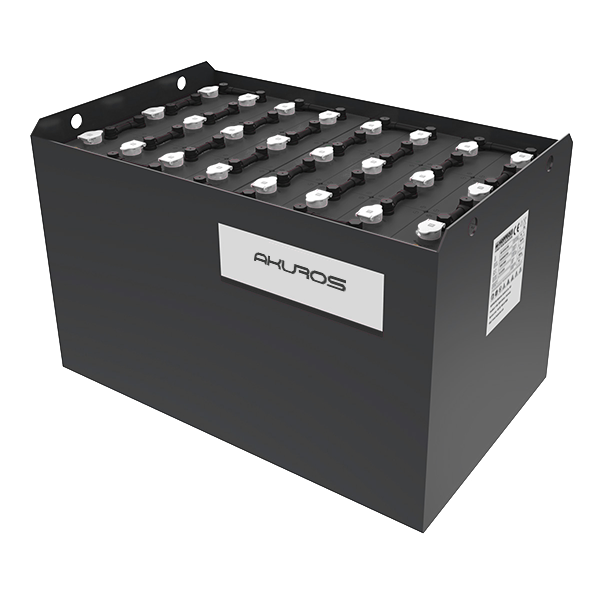
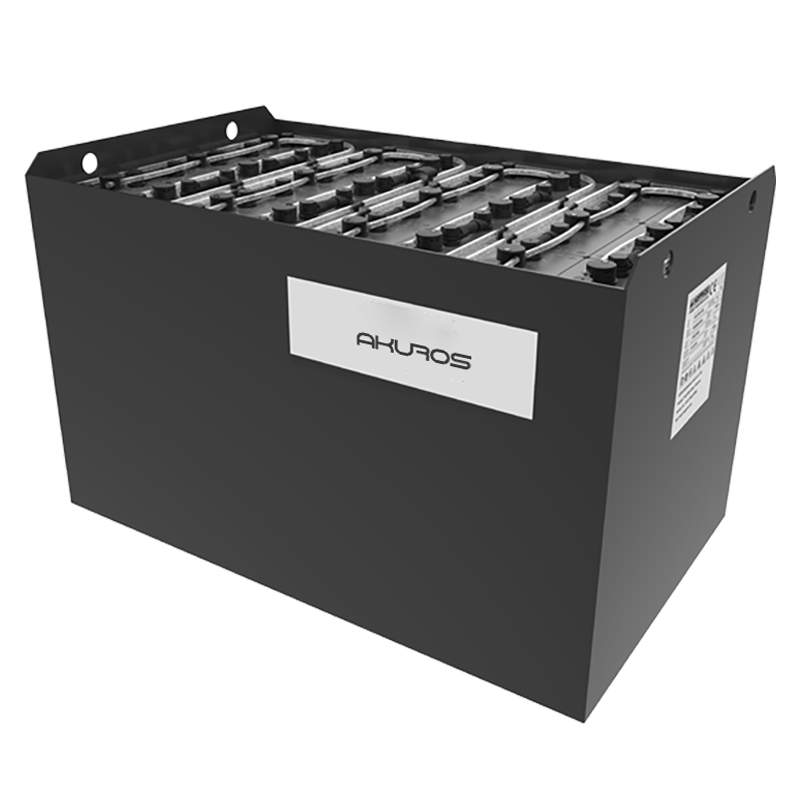
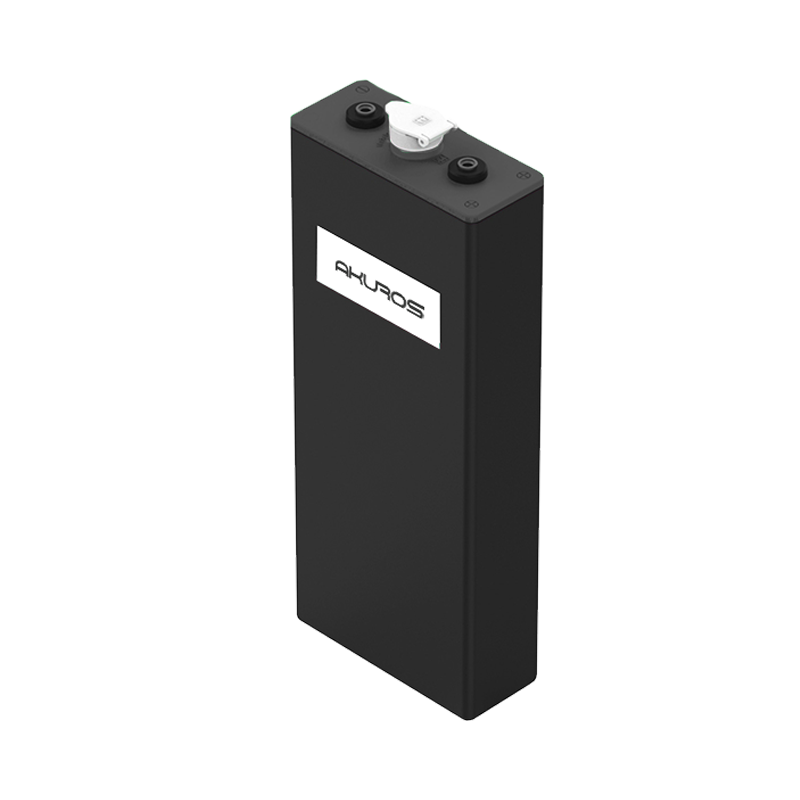
Forklift Warehouse Lead-Acid Battery

Flooded Traction Battery for Electric Forklifts, Reach Trucks, Stackers, and Warehouse Equipment

Battery Matching and Charging Systems Improve Operating Reliability

Forklift Compatibility and Battery Compartment Matching

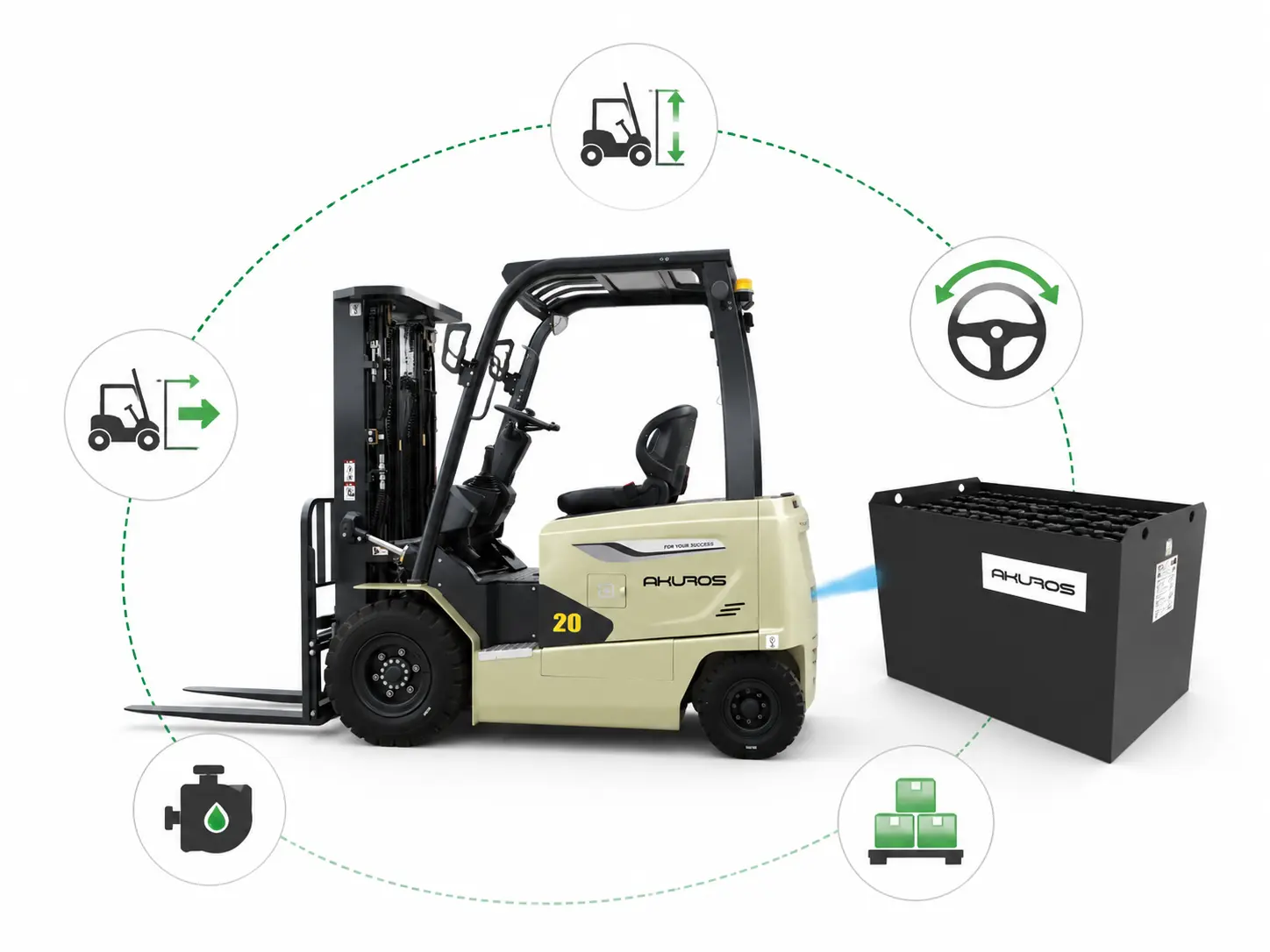
A forklift lead-acid battery must match the equipment’s electrical and mechanical requirements. The correct voltage and capacity are important, but they are not the only selection factors.

Akuros reviews the forklift brand and model, battery compartment length, width and height, required battery weight, connector type, cable position, working hours, and duty cycle before recommending a battery configuration.

If the voltage is correct but the dimensions, connector, weight, or cable position are wrong, the battery may still be unusable. Buyers should provide the original battery nameplate, compartment dimensions, connector photographs, and charger information before quotation.

Lead-acid Battery

Charger Compatibility and Charging Room Requirements

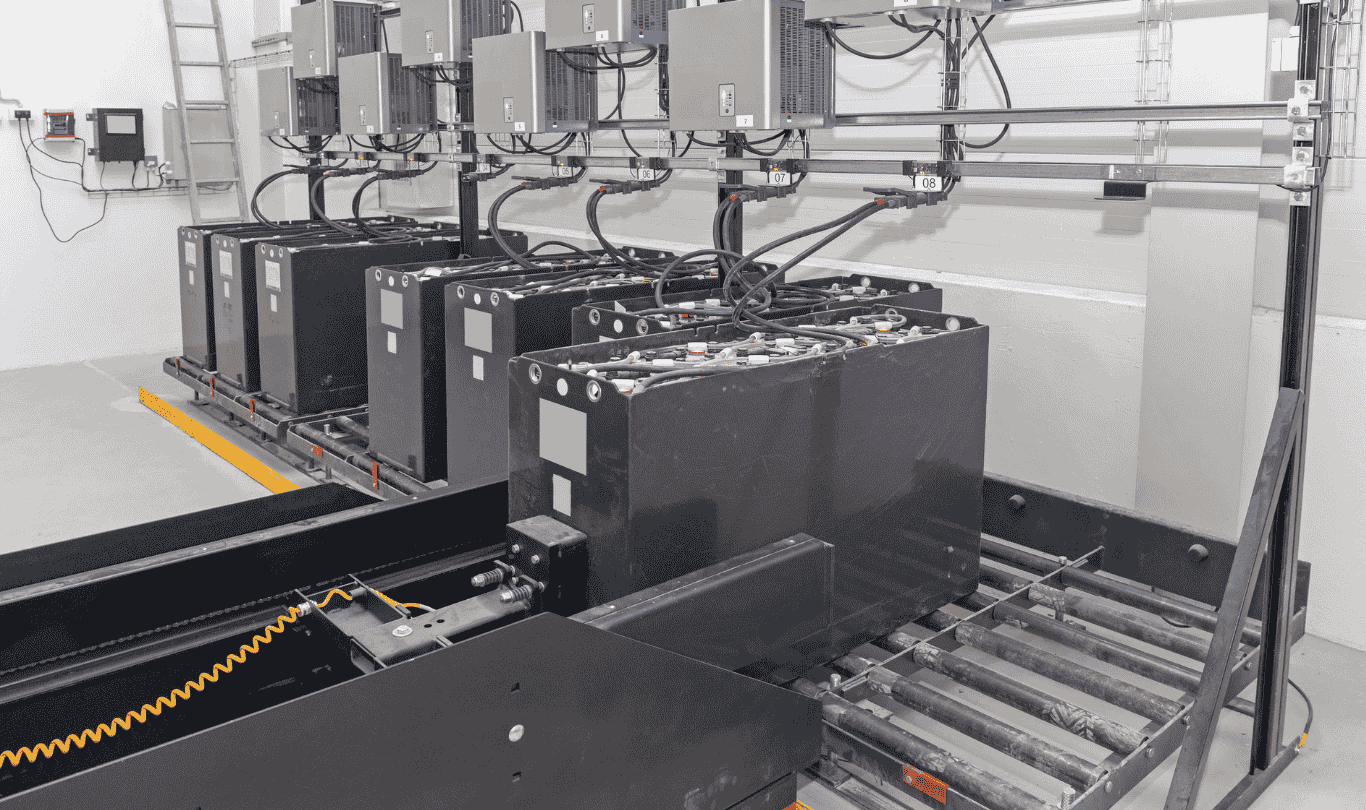
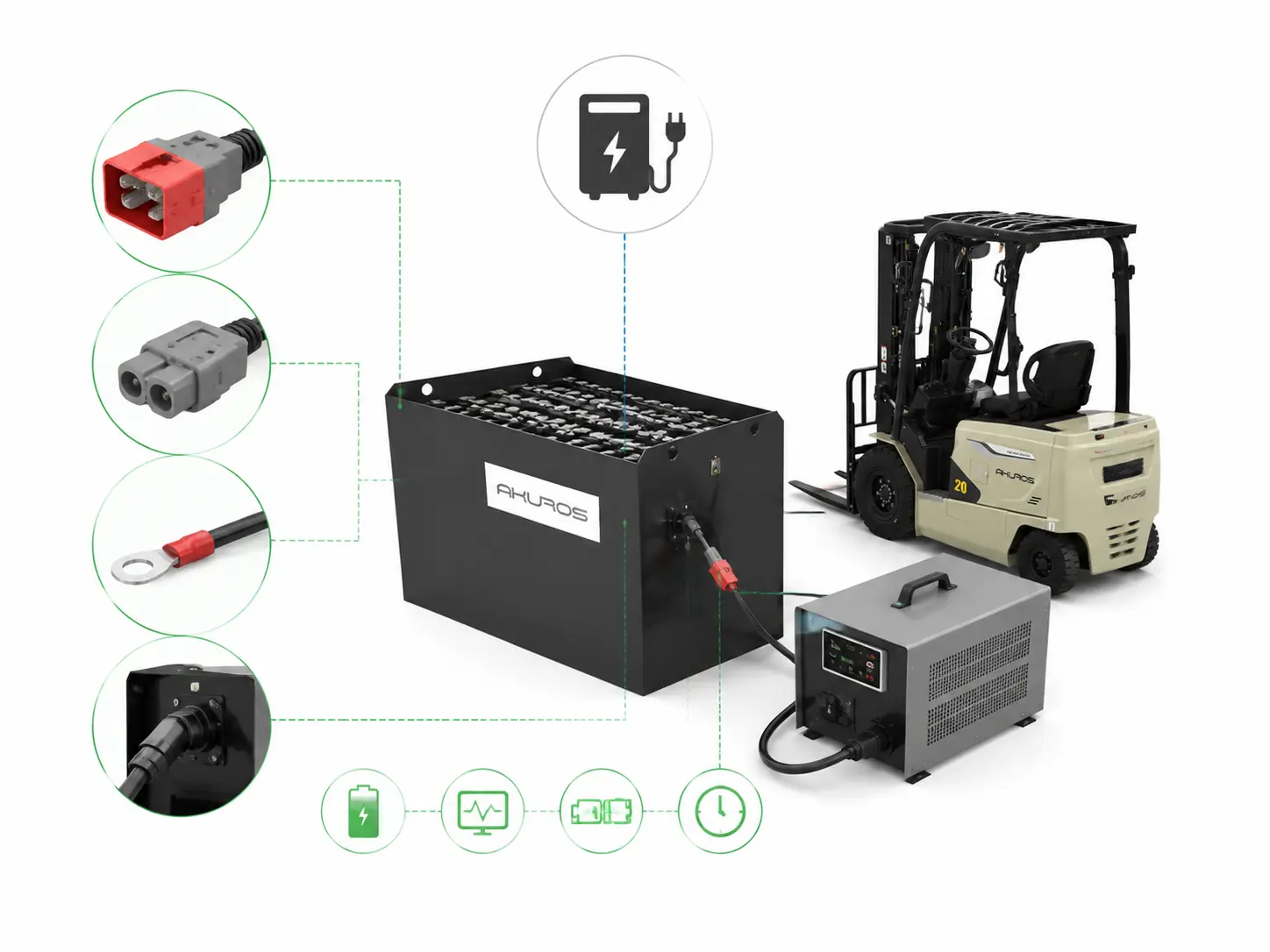
The charger must be compatible with the battery voltage, capacity, charging current, connector type, and planned charging cycle. Using an unsuitable charger may lead to incomplete charging, excessive heat, reduced runtime, or premature battery deterioration.

Flooded lead-acid batteries also require a properly managed charging area. The site should provide suitable ventilation, safe cable management, trained personnel, routine inspection, and sufficient time for charging and battery cooling.

If the warehouse has predictable shifts and enough charging time, a lead-acid battery is a practical choice. If rapid opportunity charging and high multi-shift availability are required, a lithium battery or spare-battery strategy should also be evaluated.

Key Features for Standard Warehouse Fleet Operations

Lead-acid Battery

Stable and Predictable Power Output

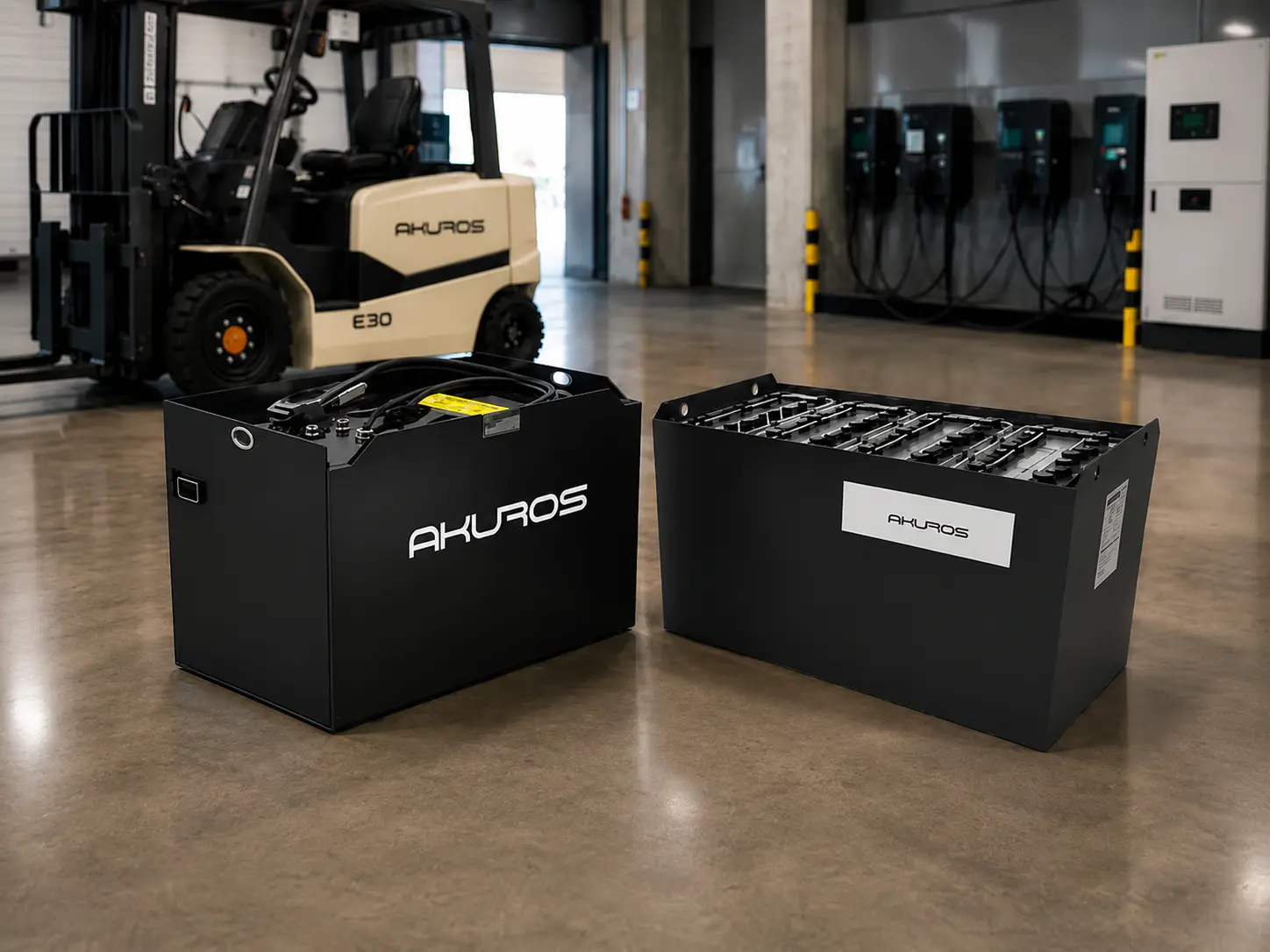
The Akuros Forklift Lead-Acid Battery provides stable power output for repetitive warehouse handling tasks, including pallet movement, rack replenishment, production-line supply, loading support, and internal material transfer.

It is particularly suitable for operations with predictable daily workloads and standard shift schedules where the battery has sufficient time for full charging and cooling.

Proven Technology with Controlled Initial Cost

Lead-acid batteries use established technology that is familiar to many forklift operators and maintenance teams. They can often be integrated into existing fleets without major changes to charging infrastructure or maintenance procedures.

For businesses operating multiple forklifts or replacing batteries across an existing fleet, lead-acid technology can provide a more controlled initial investment than many lithium battery configurations.

Lead-acid Battery

Wide Warehouse Equipment Compatibility

The battery can be configured for electric counterbalance forklifts, reach trucks, pallet trucks, stackers, and other electric warehouse vehicles.

Compatibility depends on voltage, capacity, compartment dimensions, battery weight, connector type, cable position, charger output, and actual duty cycle. Akuros reviews these conditions before confirming the final battery specification.

Reliable Battery Performance for Planned Warehouse Shifts

Predictable Runtime for Standard Operations

A properly matched lead-acid battery can support predictable forklift operation where working hours, load frequency, travel distance, and charging periods follow a consistent daily schedule.

Buyers should calculate the required capacity based on the actual duty cycle rather than selecting the largest battery that fits the compartment. Oversizing increases cost and weight, while undersizing can cause early discharge and operational downtime.

Established Charging Room Integration

Warehouses that already have lead-acid battery chargers, ventilation, battery maintenance areas, and trained personnel can usually integrate replacement batteries with less operational change.

Before ordering, the charger voltage, current, connector, charging time, ventilation conditions, and available cooling period should be confirmed.

Battery Swapping for Longer Working Hours

For longer daily operation or multi-shift use, warehouses may extend forklift availability by using spare lead-acid batteries and a controlled battery-swapping process.

This strategy requires additional batteries, charging positions, safe handling equipment, battery storage space, and coordinated charging schedules. If these resources are not available, lithium technology may provide a simpler alternative.

Lead-Acid Battery Maintenance and Safety Control

Watering, Cleaning, and Terminal Inspection

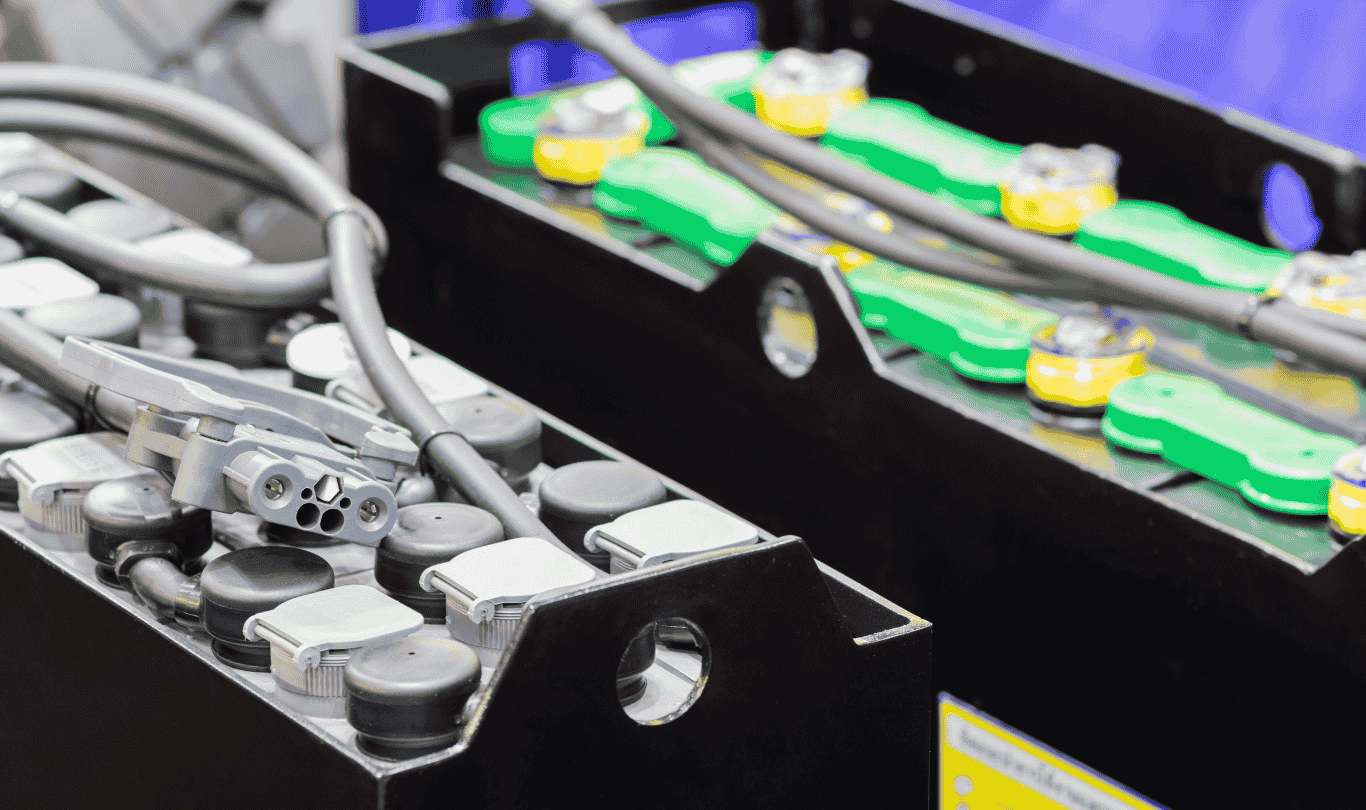
Flooded lead-acid batteries require periodic watering, surface cleaning, terminal inspection, cable inspection, and electrolyte-level management.

Water should be added according to the battery manufacturer’s maintenance procedure. Incorrect watering, dirty battery surfaces, loose terminals, or corroded connectors can reduce performance and increase electrical and maintenance risks.

Correct Charging and Cooling Management

The battery should be charged using a compatible charger and allowed sufficient time to complete the recommended charging cycle and cooling period.

Repeated partial charging, excessive discharge, charger mismatch, or insufficient cooling can reduce usable runtime and shorten service life. Charging records and battery-condition checks should be included in the maintenance routine.

Ventilation and Charging Area Safety

Flooded lead-acid batteries use a venting system for gas release during charging, so the charging area must be managed with suitable ventilation and safe operating procedures.

Keep ignition sources away from the charging area, maintain clear access, inspect cables and connectors, and assign charging and maintenance tasks to trained personnel.

forklift battery

Battery Configuration Options

Voltage and Capacity Configuration

Battery voltage and capacity can be configured according to the forklift model, electrical system, daily working hours, travel distance, lifting frequency, and available battery compartment space.

Connector and Cable Position Matching

Connector model, polarity, cable length, cable outlet position, and installation direction should match the existing forklift and charger to avoid installation delays or electrical incompatibility.

Charger and Spare Battery Planning

Akuros can review charger compatibility and discuss spare-battery or battery-swapping requirements for fleets that need longer operation while continuing to use lead-acid technology.

Typical Applications

Single-Shift Warehouse Operations

Recommended for warehouses with predictable daily workloads, planned charging periods, and sufficient time for the battery to complete a full charge and cooling cycle.

Manufacturing and Internal Logistics

Suitable for production-line supply, raw-material transfer, finished-product movement, pallet handling, and other repetitive industrial logistics tasks with stable duty cycles.

Existing Lead-Acid Forklift Fleets

A practical choice for facilities that already have compatible chargers, ventilated charging rooms, trained maintenance personnel, spare-battery processes, and established lead-acid fleet-management routines.

Interested in a High Capacity Reach Truck?

A representative from your local Solutions & Support Center will use the information you provide below to develop the best solution for you.


    Get A Free Quote
    Contact us for free quotes and more professional knowledge about product. We will prepare a professional solution for you.


      Leave Your Message


        Leave Your Message