Choosing between an electric counterbalance forklift and a diesel forklift is no longer simply a question of power. Industrial buyers should compare the working environment, maximum load, daily operating hours, floor condition, energy infrastructure, maintenance capability, operator comfort, and long-term equipment strategy.
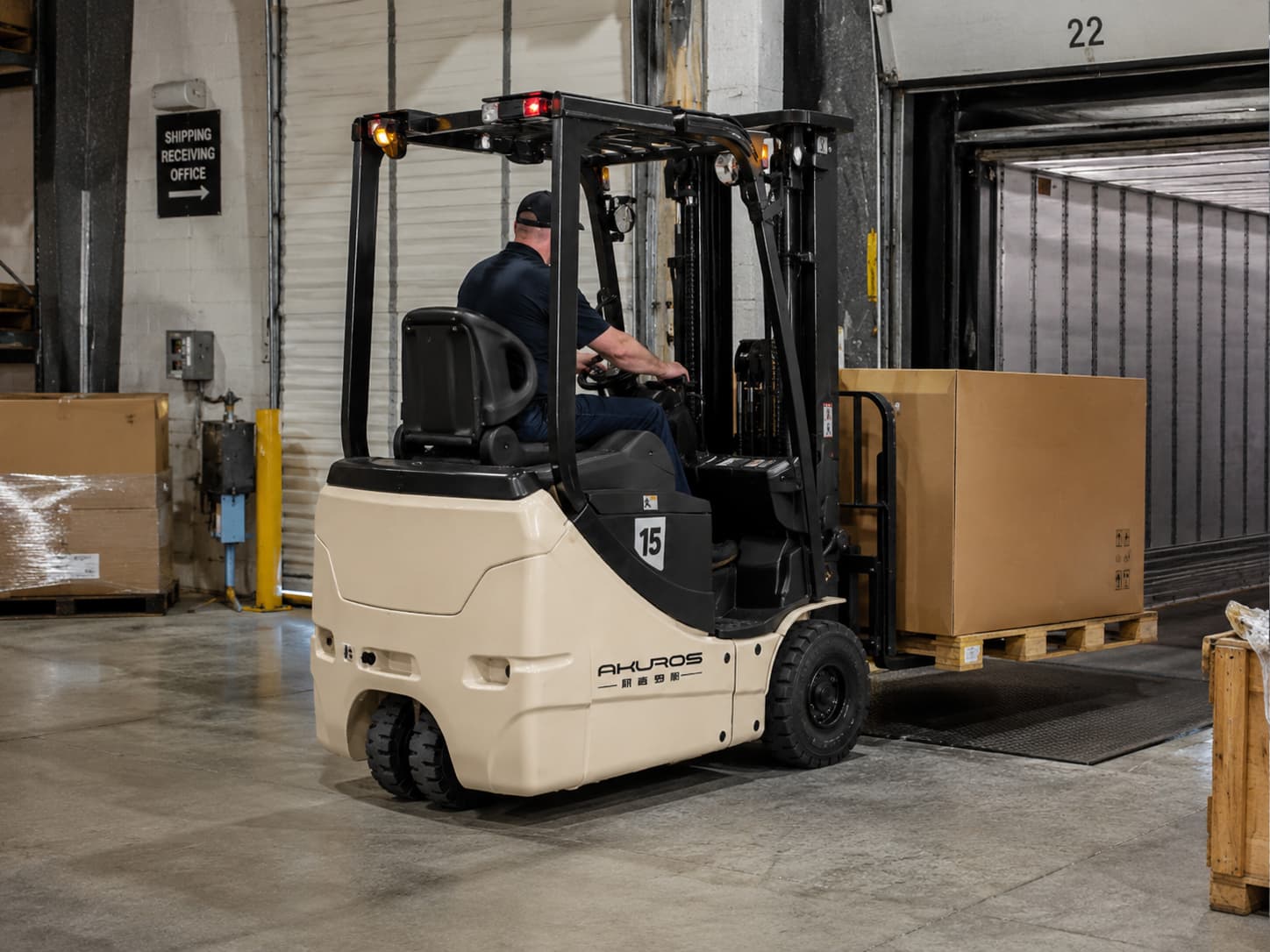
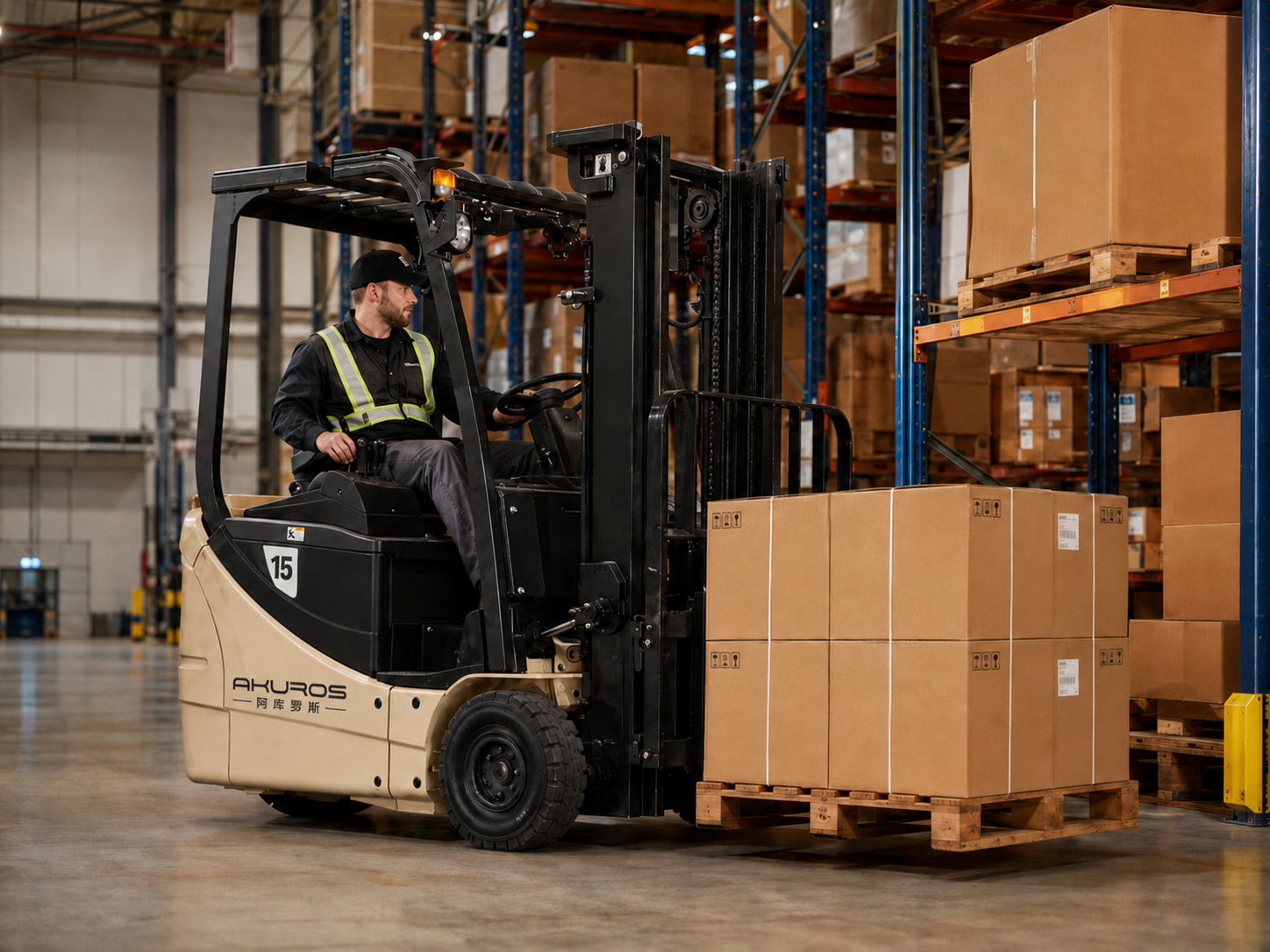
Electric counterbalance forklifts are generally better suited to indoor warehouses, covered production areas, manufacturing plants, and logistics centers where lower noise, smoother operation, and no on-site exhaust emissions are important. Diesel forklifts may still be practical for rough outdoor yards, remote worksites, long continuous operation, or sites where fuel infrastructure is already established.
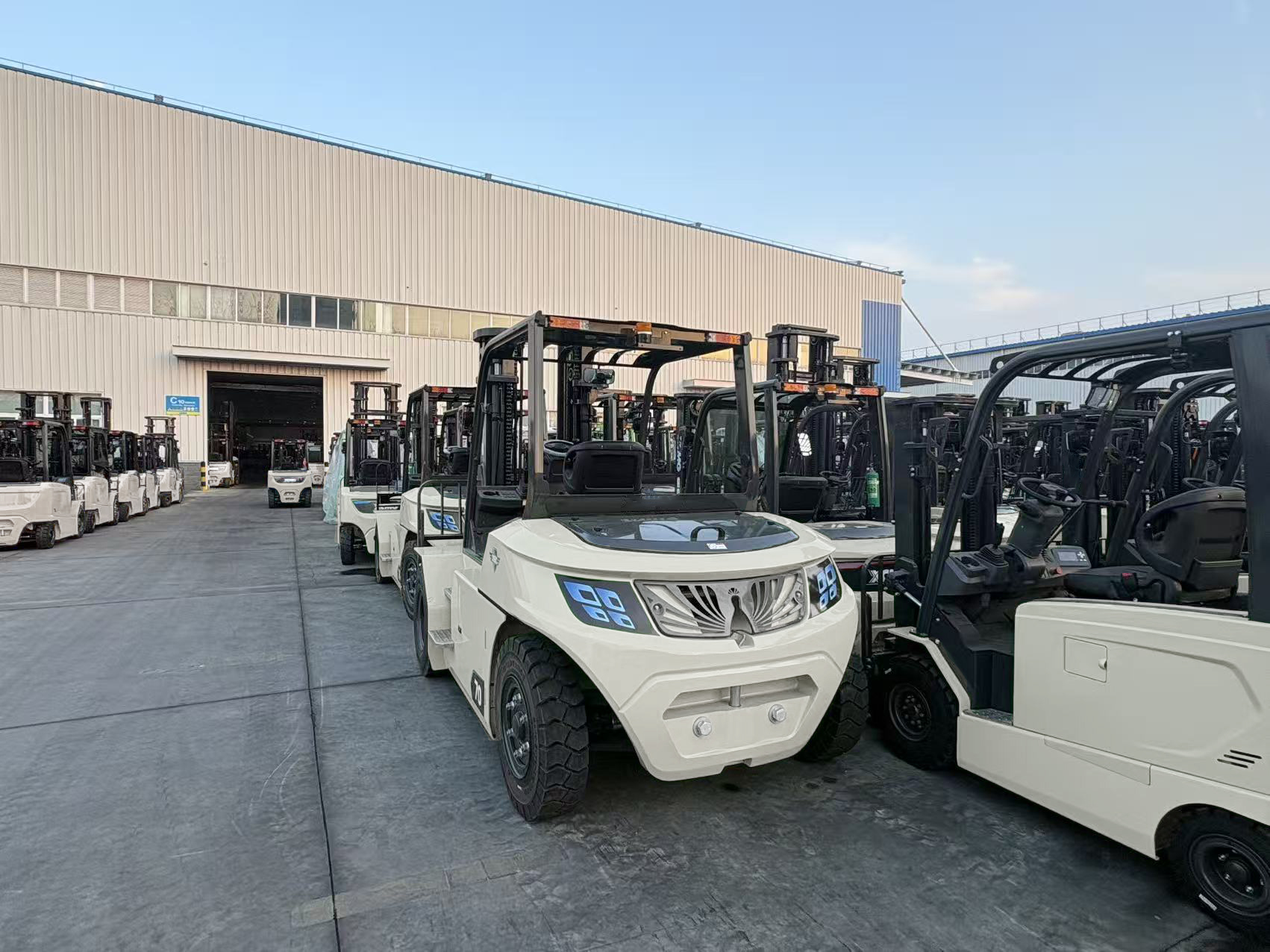
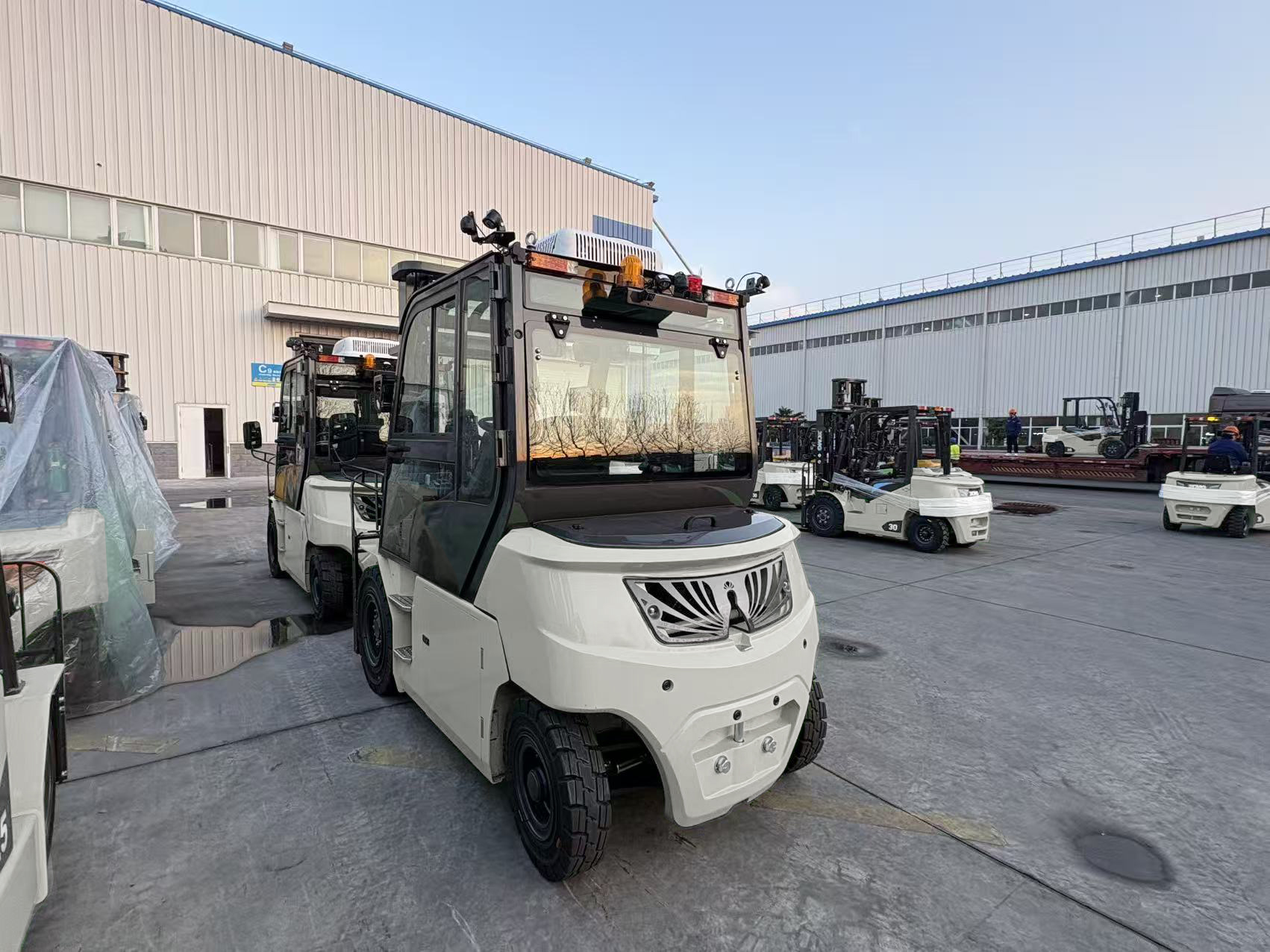
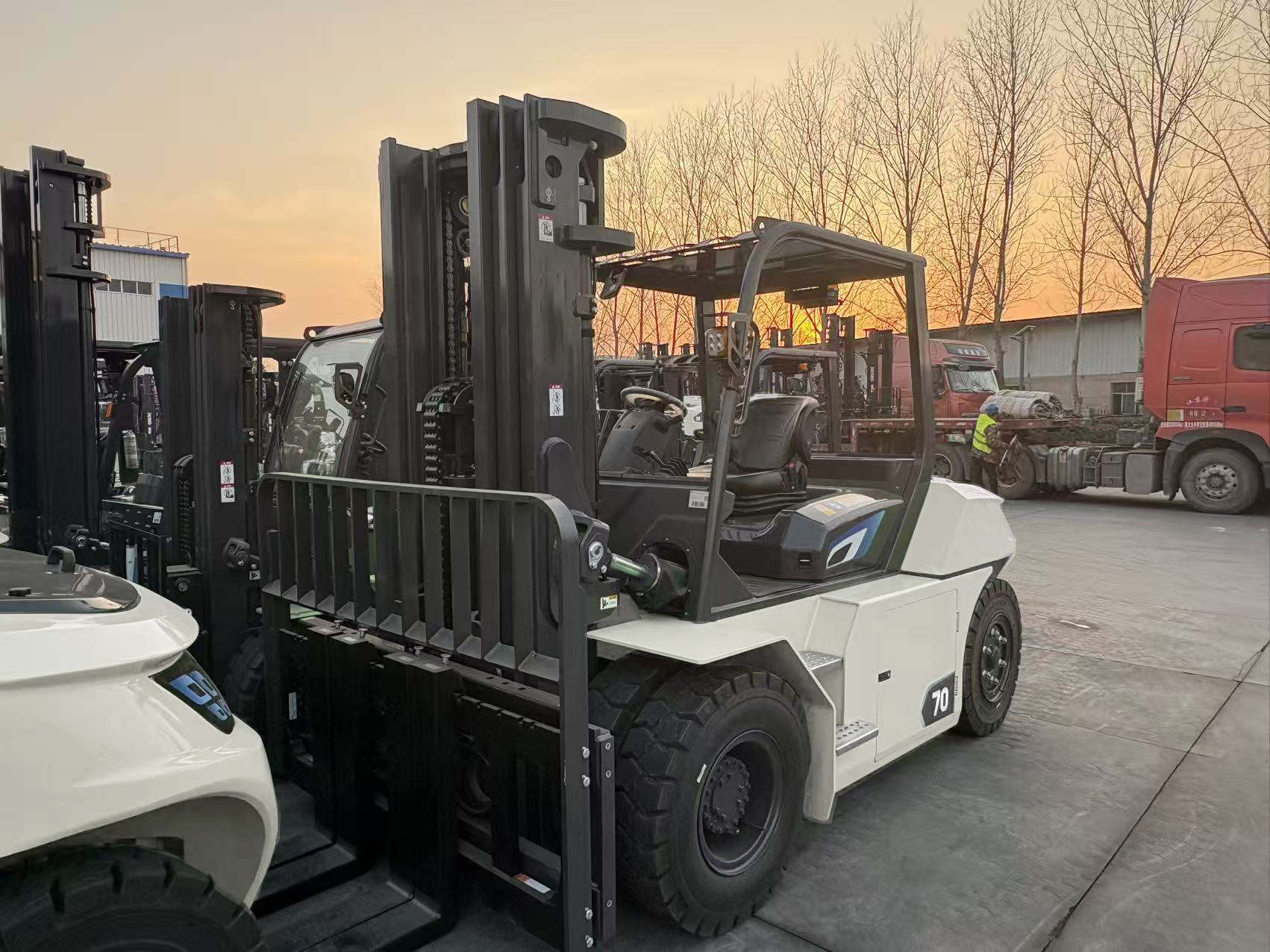
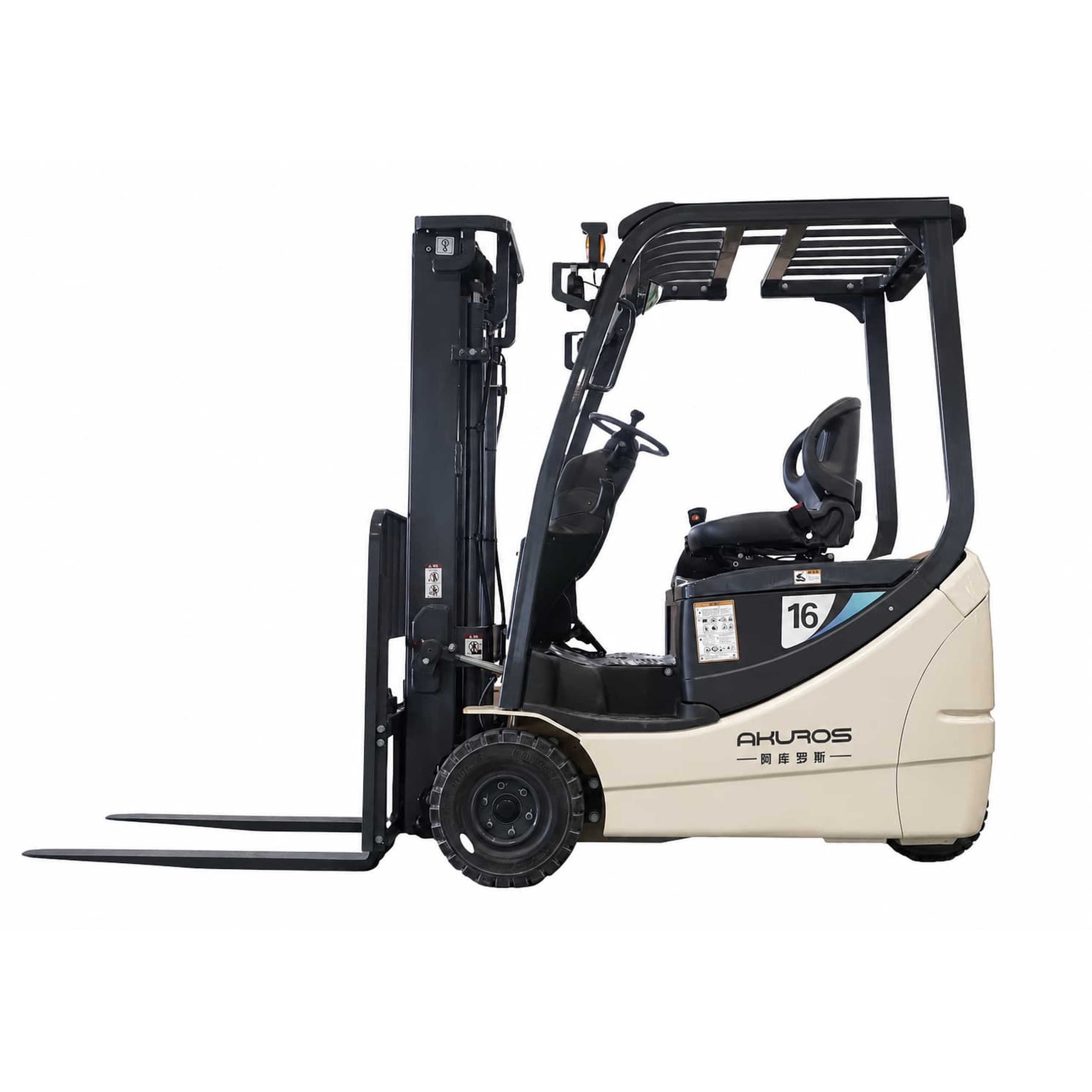
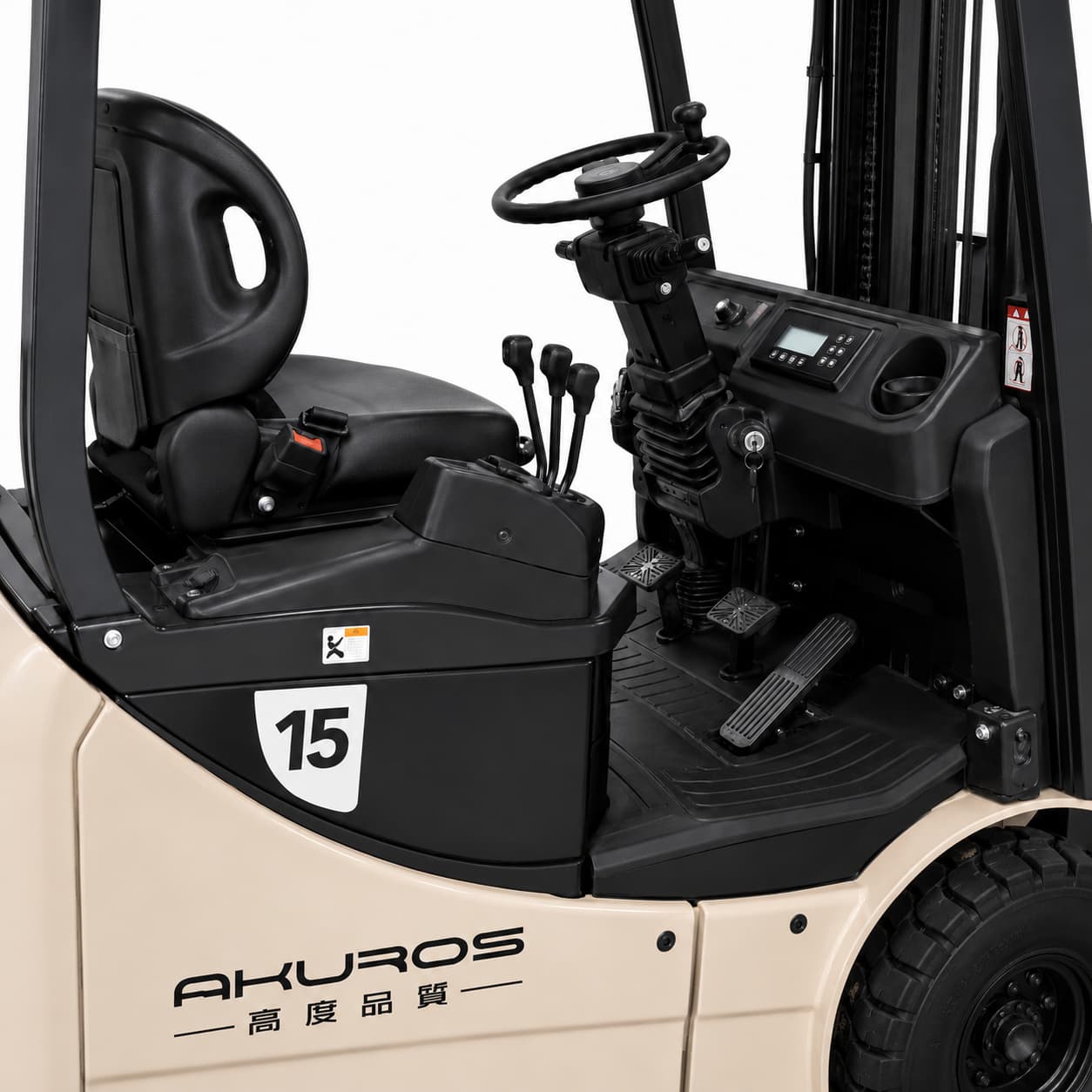
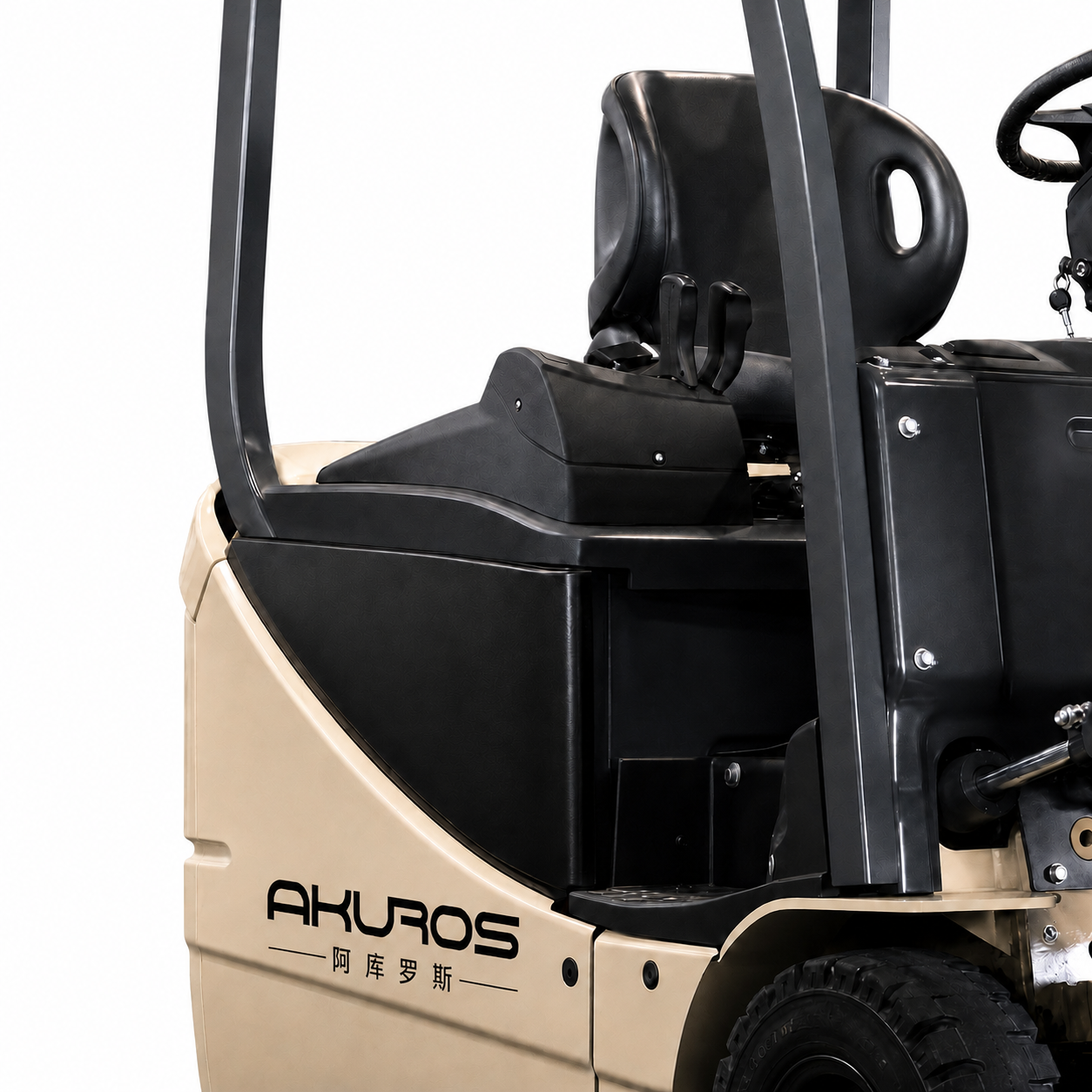
For buyers seeking a heavy-duty electric alternative, the Akuros Peacock Series provides 4.0–5.0 ton handling capability with lead-acid or lithium battery options. The final decision should be based on actual load data, shift patterns, charging availability, floor conditions, lift height, tire requirements, and attachments, rather than on purchase price alone.
Electric Reference Model:
Akuros Peacock Series
Electric Capacity Class:
4.0–5.0 tons
Electric Power System:
Battery-powered electric drive
Battery Options:
Lead-acid or lithium battery
Electric Best Fit:
Indoor warehouses, covered industrial areas, manufacturing plants, and logistics centers
Diesel Best Fit:
Outdoor yards, rougher ground, remote worksites, and fuel-based operations