
 Dutch
Dutch  English
  Russian
  French
  Spanish
  German
  Italian
  Portuguese
  Korean
  Japanese
  Arabic
  Turkish
  Indonesian

Van chaos naar controle: het keerpunt in modern magazijnbeheer
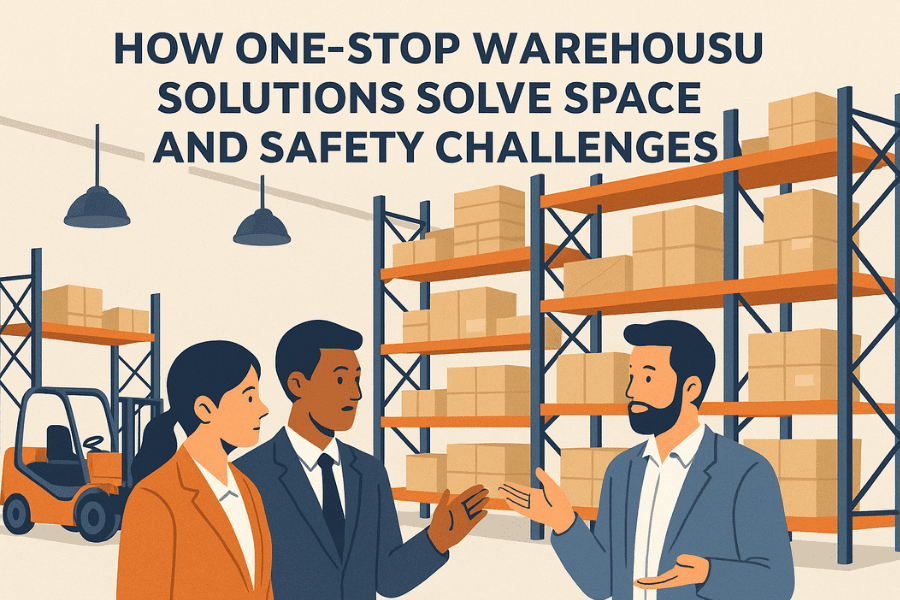
Elena (Operations Director, Logistiek Bedrijf):
“Onze magazijnpaden zijn vol, heftrucks kunnen amper veilig bewegen en we hebben in het afgelopen kwartaal twee kleine ongelukken gehad. We kunnen niet zomaar uitbreiden — grondprijzen zijn belachelijk hoog.”
Thomas (Magazijnveiligheidsconsultant):
“Dat is wat er gebeurt als systemen groeien zonder integratie. Elke leverancier voegt rekken, transportbanden of etiketteringslijnen toe zonder ruimtelijke harmonie. Je hebt een one-stop magazijnontwerp nodig — vanaf de grond af ontworpen.”
David (CEO, Akuros – Inkoopmanager Supply Chain Solutions):
“Bij Akuros hebben we wereldwijde klanten geholpen hun logistiek opnieuw vorm te geven met behulp van one-stop magazijnoplossingen. Zodra ruimteplanning, rekken en veiligheidssystemen worden geïntegreerd, dalen de ongelukken en neemt de capaciteit toe — zonder nieuwe faciliteiten te bouwen.”
Leverancier van one-stop magazijnoplossingen
1. Het groeiende ruimte- en veiligheidsdilemma
A. De moderne magazijncrisis
De wereldwijde e-commerce is jaar-op-jaar met 23% gegroeid, maar de magazijnoppervlakten in belangrijke logistieke knooppunten (Rotterdam, Dubai, Los Angeles) blijven vrijwel gelijk.
Deze mismatch heeft geleid tot:
-
Overvolle gangpaden verminderde operationele efficiëntie.
-
Stapeling buiten de veiligheidsgrenzen, waardoor het structurele risico toeneemt.
-
Gefragmenteerde leveranciersopstellingen die het workflowbeheer bemoeilijken.
Een McKinsey-rapport uit 2024 stelde vast dat 48% van de magazijnongevallen het gevolg is van slechte ruimteplanning — niet van menselijke fouten.
Alleen al deze statistiek onderstreept het belang van geïntegreerd, one-stop magazijnontwerp.
2. Wat one-stop magazijnoplossingen anders maakt
A. Materiaalengineering voor duurzaamheid en veiligheid
In tegenstelling tot gefragmenteerde magazijnsystemen, one-stop magazijnoplossingen worden gestandaardiseerde materialen en modulaire ontwerpen gebruikt voor alle functies — van rekken tot vloeren en geautomatiseerde poorten.
Materiaalvoordelen:
-
Koudgewalste stalen balken met anti-corrosiecoating
-
Versterkte staanders met seismische conformiteitscertificering
-
Brandwerende isolatie en antislipvloeren voor de veiligheid van de operator
-
Belastinggeteste rekken: 3.000 kg per niveau
Deze materialen overtreffen de standaardvereisten voor magazijnrekken, waardoor de onderhoudskosten en structurele vermoeidheid na verloop van tijd aanzienlijk worden verminderd.
B. Slim ontwerp en ruimteoptimalisatie
One-stop oplossingen optimaliseren elke kubieke meter.
In plaats van traditionele statische planken, Akuros integreert geavanceerde systemen zoals:
-
Verstelbare balkrekken voor variabele belastingsprofielen
-
Nauwe gangpaletopslag om de capaciteit met 35–45% te vergroten
-
Mezzanine-platforms voor verticale benutting
-
AI-gestuurd magazijnbeheer (WMS) voor dynamische slottoewijzing
Vergelijkingstabel:
| Functie | One-Stop Magazijn Oplossing | Traditioneel leveranciersmodel |
|---|---|---|
| Ruimtebenutting | Tot +45% verticale capaciteit | Statische, onderbenutte ruimte |
| Veiligheidsincidenten | Verminderd met 30–40% | Hoger door slechte coördinatie |
| Energie-efficiëntie | Gecentraliseerde verlichting en sensoren | Gefragmenteerd energiebeheer |
| Kostenefficiëntie | Enkele geïntegreerde factuur | Meerdere leveranciersoverhead |
| Onderhoud | Voorspellend, geautomatiseerd | Handmatig, inconsistent |
3. Hoe Akuros one-stop magazijnoptimalisatie implementeert
Stap 1: Ruimtemapping & 3D-simulatie
Akuros begint met het uitvoeren van een 3D digital twin analysis to identify dead zones, collision points, and unused vertical volume.
Step 2: Integrated System Design
Based on load patterns, the system merges gewone balkenrekken, safety barriers, and real-time sensors into a unified model.
Step 3: Deployment & Training
Akuros trains warehouse teams on load balancing, traffic zoning, and safety audits, ensuring compliance from day one.
Step 4: Monitoring & Continuous Improvement
Through integrated dashboards, buyers can track warehouse KPIs such as energy use, incident frequency, and capacity utilization — all in real time.
4. Expert Insights & Industry Data
“Integrated warehousing is no longer a luxury — it’s a safety imperative. Companies that consolidate under one system report 35% fewer handling accidents.”
- Dr. Alan Smith, Supply Chain Safety Journal, 2024
Supporting Data
-
Fraunhofer-instituut (2024): Integrated warehouses reduce spatial waste by 28%.
-
PwC Logistics Outlook (2024): One-stop warehouses cut insurance premiums by 12–18% due to lower accident risk.
-
MIT Center for Logistics (2023): Optimized vertical storage can delay facility expansion by 5–8 years on average.
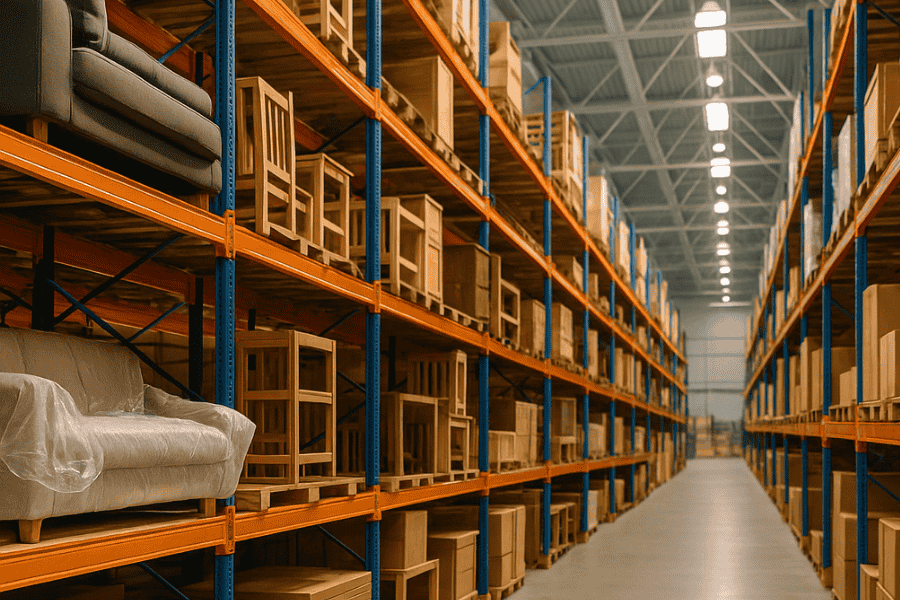
Hoogwaardige one-stop magazijnoplossingen
5. Real-World Case Studies
Case 1: European Furniture Distributor
After adopting a one-stop system integrating adjustable racks and narrow aisles, the distributor increased capacity by 38% without facility expansion.
Case 2: Middle East Electronics Importer
By using fire-rated flooring and seismic rack structures, workplace incidents dropped 60% year-over-year.
Case 3: North American Exporter
Geïntegreerd Akuros dashboards improved safety audit accuracy by 45% and reduced forklift congestion zones by 50%.
6. Customer Feedback
Sofia, Logistics Head (Germany):
“We avoided a $50,000 expansion by redesigning storage vertically. The one-stop warehouse model changed our cost perspective completely.”
Raj, Operations Manager (UAE):
“Before integration, we had weekly forklift accidents. Now, with clear zoning and anti-collision sensors, it’s been four months accident-free.”
Noah, Procurement Specialist (USA):
“The unified dashboard is game-changing. Space utilization and safety metrics finally make sense together.”
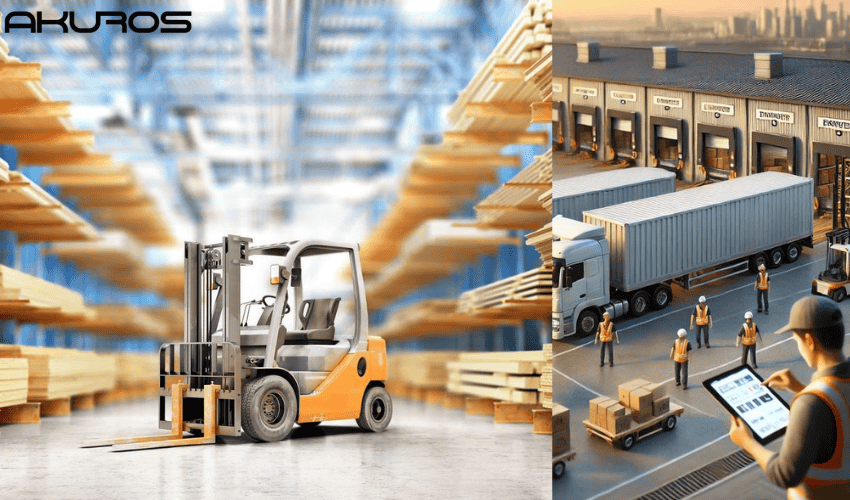
one-stop magazijn
7. FAQ
1. What does a one-stop magazijnoplossing include?
It includes layout design, racking systems, automation integration, safety zoning, and unified monitoring dashboards.
2. How does it solve space challenges?
By maximizing vertical height, reducing aisle width, and combining smart inventory systems with modular racks.
3. Is it suitable for existing warehouses?
Yes — one-stop systems can retrofit existing infrastructure without disrupting daily operations.
4. How does it improve safety?
Integrated barriers, sensors, and AI systems prevent overloading and collisions.
5. How long before ROI is achieved?
Typically within 12–18 months through efficiency gains, reduced damage, and insurance savings.
📚 Referenties
-
McKinsey & Company (2025). The Future of Integrated Warehousing: Safety, Space, and Smart Systems.
-
Fraunhofer Institute for Material Flow and Logistics (2024). Spatial Efficiency and Safety in Multi-Tier Warehousing.
-
PwC (2024). Global Warehouse Modernization Outlook: Risk Reduction Through Integration.
-
MIT Centrum voor transport en logistiek (2023). The Impact of Smart Racking Systems on Warehouse Lifecycle and Safety.
-
Wereld Economisch Forum (2024). Automation and Resilience in Global Supply Chains.
-
OSHA (Occupational Safety and Health Administration, 2024). Warehouse Safety Guidelines and Best Practices.
-
European Committee for Standardization (CEN, 2023). EN 15512: Steel Static Storage Systems – Design and Safety Requirements.
-
Tijdschrift voor wereldwijde logistiek (2024). Rossi, E. Why Integration Outperforms Expansion in Modern Warehousing.
-
Deloitte Insights (2024). Warehouse Transformation Report: Leveraging Digital Twins for Safety and Efficiency.
-
ISO (International Organization for Standardization, 2023). ISO 45001: Occupational Health and Safety Management Systems.
Fragmented warehouse structures create hidden inefficiencies: aisles that are too narrow, racks that exceed safe loads, and uncoordinated safety zones. Integrated one-stop warehouse solutions change this dynamic by connecting layout, materials, and digital monitoring into one ecosystem.
According to a 2025 McKinsey Supply Chain Safety Report, companies that adopted integrated warehouse models reduced injury rates by 35% and improved space efficiency by 40% within 18 months.In the end, space and safety challenges are not signs of poor management — they’re the natural result of fragmented systems. One-stop warehouse solutions solve this by bringing every layer of logistics under a single intelligent framework. From structural design to real-time monitoring, they turn cluttered spaces into optimized, compliant, and scalable environments.
For global buyers, this isn’t just an upgrade — it’s a strategic shift toward efficiency, predictability, and resilience. Warehousing in 2025 and beyond isn’t about expansion; it’s about smart integration.