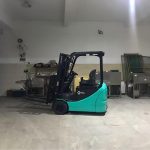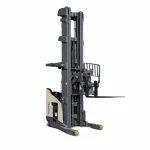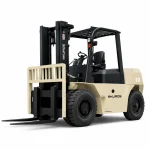



A warehouse operates inside a clean logistics building but also unloads trucks in an outdoor yard. Most pallet movements happen on smooth concrete, so the purchasing team chooses a compact indoor forklift with a low upfront price. After delivery, operators find that the truck struggles on uneven outdoor ground, tire wear increases, battery runtime drops during long shifts, and ramp handling feels unstable. The forklift was not necessarily poor quality. It was selected for the wrong operating condition.
This is why choosing Counterbalance Forklifts for indoor and outdoor use requires more than comparing capacity and price. A counterbalance forklift must match the real load, floor surface, aisle width, lift height, mast type, tire type, power source, duty cycle, operator visibility, service plan and safety rules. Buyers comparing Counterbalance Forklifts should evaluate the complete working environment before selecting an electric, lithium, diesel or LPG model.
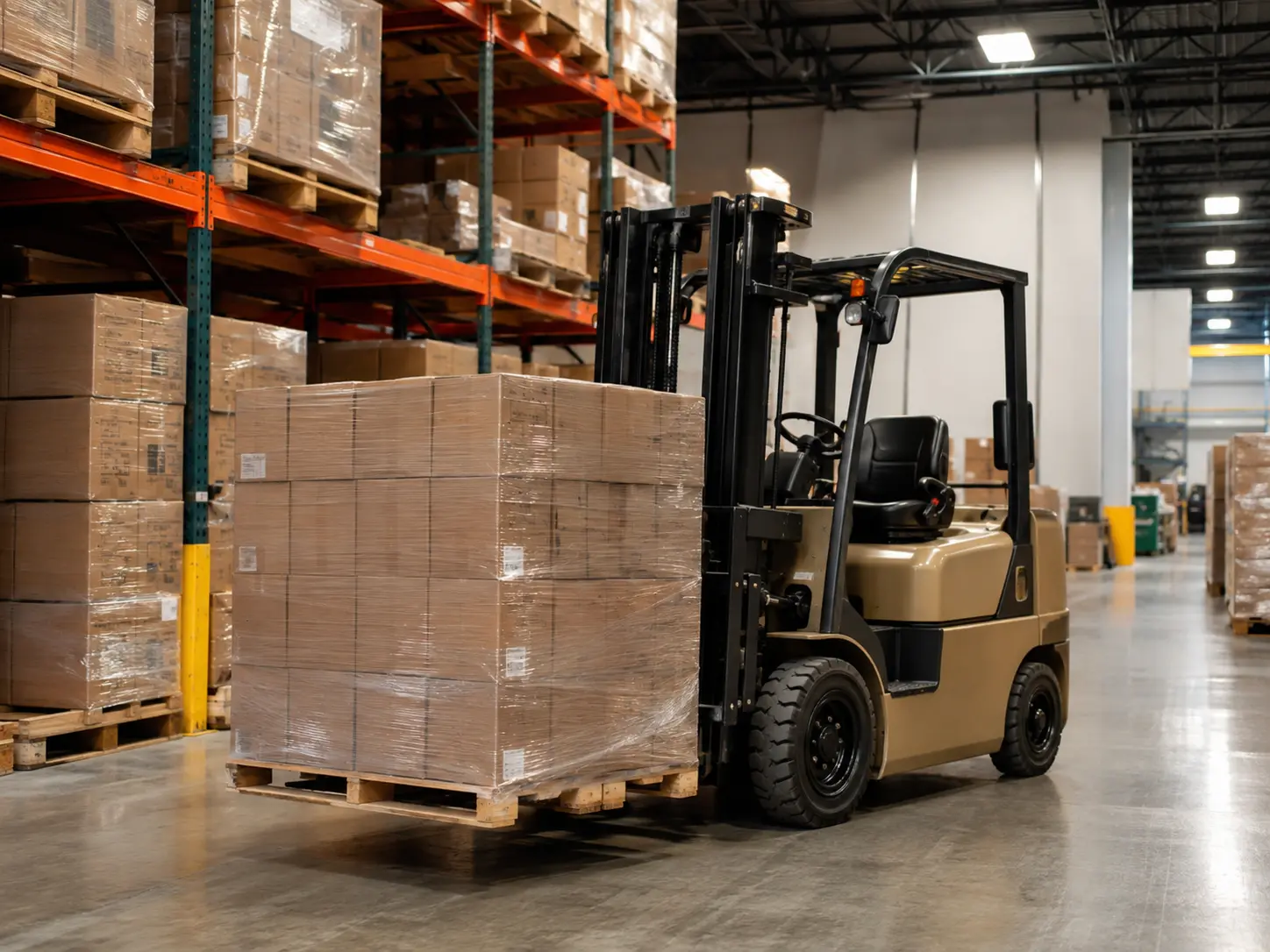
Counterbalance Forklift Applications
Quick Summary: Counterbalance Forklift Selection Checklist
Indoor facilities usually prioritize low noise, zero local exhaust emissions, compact turning radius, battery runtime, smooth control and floor protection. Outdoor facilities usually prioritize traction, ground clearance, weather resistance, tire durability, gradeability and continuous power availability. Mixed indoor/outdoor operations are the most difficult because the truck must work safely on both smooth warehouse floors and outdoor transition zones.
Power choice is often the first visible decision, but it should not be made alone. Buyers reviewing electric counterbalance forklift vs diesel forklift options should compare floor condition, ventilation, emissions, charging access, fuel storage, maintenance capability, shift length and operator comfort. A lower purchase price can become expensive if the forklift creates downtime, tire damage, air-quality problems or unsafe handling.
| Selection Factor | Indoor Priority | Outdoor Priority | Buyer Risk if Missed |
|---|---|---|---|
| Power type | Electric or lithium | Diesel, LPG, lithium or rugged electric | Wrong energy system |
| Tire type | Cushion or solid tires | Pneumatic or solid pneumatic tires | Poor traction or tire damage |
| Rated capacity | Match pallet load | Add margin for uneven handling | Overload and instability |
| Ground condition | Smooth concrete | Yard, ramps, wet surfaces | Unsafe movement |
| Lift height | Rack height and free lift | Truck loading and outdoor stacking | Wrong mast selection |
| Duty cycle | Battery runtime | Fuel or battery endurance | Downtime |
What Are Counterbalance Forklifts?
How Counterbalance Forklifts Work
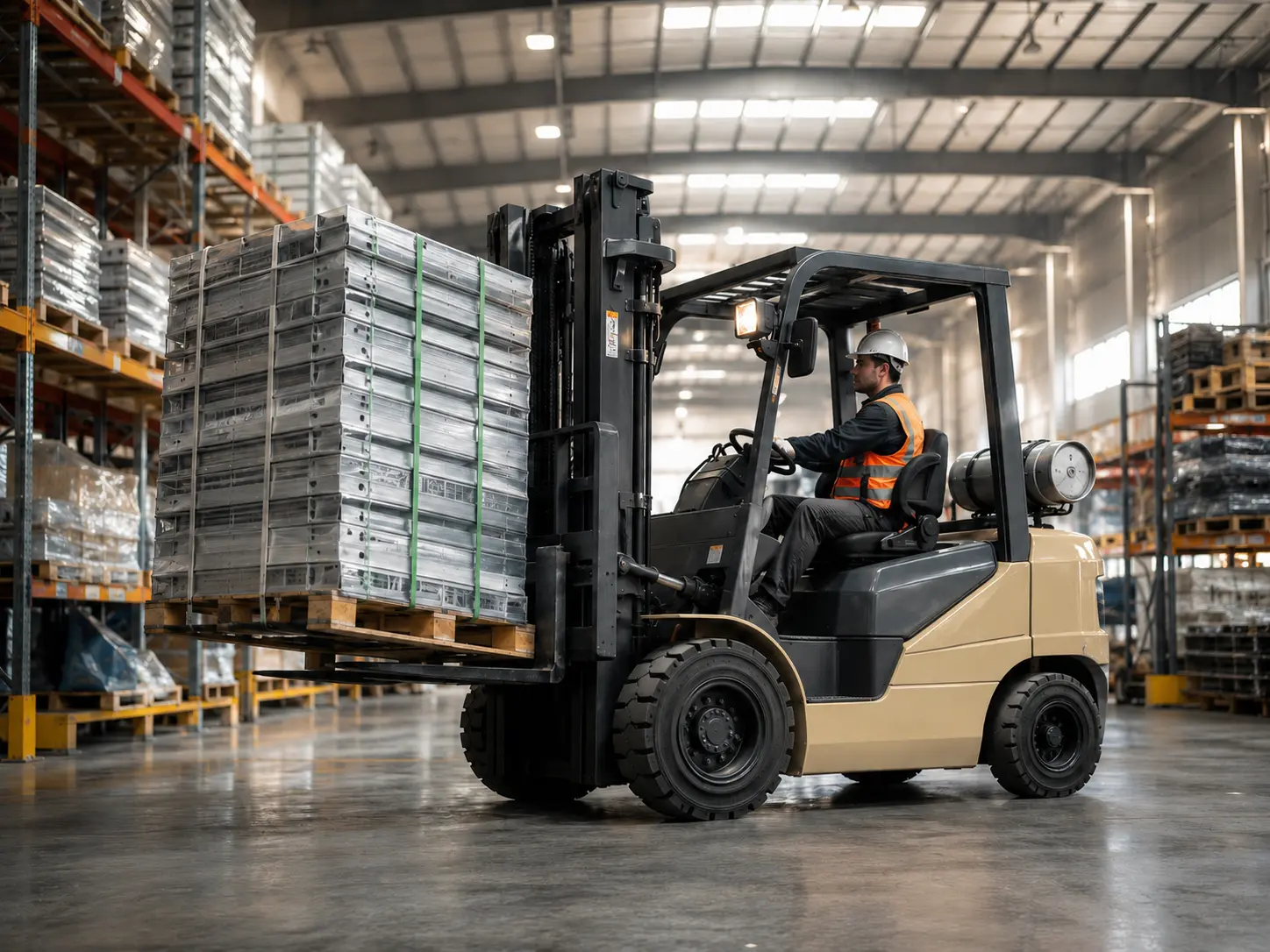
Counterbalance Forklifts use a rear counterweight to balance the load carried at the front forks. Unlike reach trucks or stackers with support legs, a counterbalance forklift can drive directly toward a pallet, lift it from the front and move it across a warehouse, dock or yard. This makes it one of the most versatile forklift types for loading, unloading, pallet transport, production support and general material handling.
Counterbalance forklifts are widely used in warehouses, manufacturing plants, building material yards, food and beverage logistics, cold storage, hardware distribution, construction supply yards, loading docks, wholesale centers, metal handling, timber storage, palletized goods movement and container-side transfer. A professional Counterbalance Forklifts manufacturer should help buyers match equipment to the specific application instead of treating every warehouse as the same working condition.
Why They Are Popular for Mixed Indoor and Outdoor Work
Counterbalance forklifts are popular because they are direct, flexible and easy to understand. They can handle many pallet types, work near loading docks, lift different load sizes and support multiple industries. They are available in 3-wheel and 4-wheel configurations, electric and combustion power systems, light-duty and heavy-duty classes, and many tire options. This variety is useful, but it also increases selection risk. The buyer must know what problem the forklift is expected to solve.
Step 1: Define Indoor Outdoor Working Ratio
Mostly Indoor Use
Mostly indoor operations usually need electric or lithium Counterbalance Forklifts. Indoor warehouses, food storage, packaging plants, electronics manufacturing, retail distribution and clean logistics centers often prioritize low noise, smooth acceleration, zero local exhaust emissions, compact turning radius, low maintenance and operator comfort. Floor surfaces are usually smooth concrete, and the truck may work near workers, racks, packaging lines and production cells.
Indoor selection should include aisle width, rack height, floor condition, shift length, charging station location, battery runtime and the amount of start-stop movement. For indoor use, electric power is not only a sustainability choice. It is also an operational comfort and air-quality choice.
Mostly Outdoor Use
Mostly outdoor operations need stronger traction, more ground clearance, durable tires, weather protection, gradeability and high endurance. Building material yards, timber yards, outdoor pallet storage areas, container yards, agricultural handling areas, metal and pipe yards and open loading zones may involve uneven concrete, ramps, wet surfaces, dust, gravel or yard transitions.
Outdoor buyers should check pneumatic or solid pneumatic tires, mast protection, lighting, cabin options, brake performance, gradeability, stability and service access. Electric models may still work outdoors in selected conditions, but the buyer must confirm tire type, sealing, ground condition, water exposure and battery performance.
Mixed Indoor and Outdoor Use
Mixed use is the hardest selection scenario. A truck that works beautifully in a narrow indoor aisle may feel unstable on a ramp. A rugged outdoor forklift may be too large or too noisy for indoor aisles. The right choice should be based on the hardest regular condition, not the easiest one. If the forklift crosses rough outdoor ground every hour, the outdoor condition must strongly influence tire and power selection.
| Operating Ratio | Recommended Direction | Buyer Watchpoint |
|---|---|---|
| 90% indoor / 10% outdoor | Electric forklift with suitable tires | Outdoor surface must be smooth |
| 70% indoor / 30% outdoor | Lithium/electric or LPG with proper tires | Check ramps, weather and runtime |
| 50% indoor / 50% outdoor | 4-wheel model with stronger tires | Balance emissions and terrain |
| 30% indoor / 70% outdoor | LPG, diesel or outdoor-capable lithium | Indoor ventilation and turning radius |
| 90% outdoor / 10% indoor | Outdoor-duty forklift | Indoor emissions and floor protection |
Step 2: Choose the Right Power Type
Electric Counterbalance Forklifts
Electric Counterbalance Forklifts are best for indoor warehouses, covered production areas, food and beverage storage, urban logistics, retail distribution and noise-sensitive workplaces. They produce no on-site exhaust emissions during normal operation, run quietly and usually require less routine maintenance than diesel or LPG models. They also provide smooth acceleration and precise pallet positioning, which is useful in structured warehouse aisles.
For small to medium indoor loads, an E16 electric counterbalanced forklift class can be suitable where compact handling, lower capacity and clean indoor operation matter. Buyers should still verify load center, mast height, battery runtime, charger compatibility, aisle width and floor condition before deciding that a compact electric model is enough.
Lithium Battery Counterbalance Forklifts
Lithium battery forklifts are increasingly used in multi-shift warehouses because they support faster charging, opportunity charging and lower routine battery maintenance than traditional lead-acid systems. Operators can charge during breaks, lunch time or shift changes, reducing downtime when the charging plan is well designed.
However, lithium selection should include battery voltage, capacity, charger power, charging location, local electrical supply, battery management system, warranty and working temperature. A lithium forklift is not only a forklift purchase; it is an energy system decision.
Diesel and LPG Counterbalance Forklifts
Diesel Counterbalance Forklifts remain practical for outdoor yards, remote worksites, rougher surfaces, long continuous shifts and heavy-duty handling where fuel infrastructure already exists. They provide strong power and fast refueling, but they also create exhaust emissions, stronger noise, vibration and engine maintenance requirements. Diesel should be used carefully in indoor or poorly ventilated environments.
LPG forklifts can work for mixed indoor/outdoor use where ventilation, cylinder handling and fuel storage are managed correctly. LPG can offer quick cylinder changes and consistent power, but buyers must include fuel logistics and engine service in total cost planning.
| Power Type | Best Use | Main Advantage | Buyer Risk |
|---|---|---|---|
| Lead-acid electric | Indoor single or limited shift | Lower upfront electric option | Charging and maintenance |
| Lithium electric | Indoor or mixed multi-shift | Fast charging and low maintenance | Higher initial cost |
| Diesel | Outdoor heavy-duty | Power and endurance | Emissions and noise |
| LPG | Mixed indoor/outdoor | Quick refuel and flexible use | Fuel handling and ventilation |
Step 3: Select Tire Type for Indoor and Outdoor Conditions
Cushion Tires for Smooth Indoor Floors
Cushion tires work best on smooth indoor concrete. They allow a lower forklift profile, compact turning and efficient movement in structured warehouses. They are common in facilities where the ground is flat, clean and predictable. For narrow aisles and indoor pallet handling, cushion tires may support better maneuverability than larger outdoor tire setups.
The risk is rough ground. Cushion tires are not intended for gravel, potholes, broken concrete or outdoor yards with uneven surfaces. Using indoor tires outdoors can create poor traction, operator discomfort, tire damage and safety concerns.
Pneumatic Tires for Outdoor Yards
Pneumatic tires provide better shock absorption and traction outdoors. They are useful on rough concrete, ramps, wet yards, gravel areas and outdoor loading routes. Air-filled pneumatic tires provide cushioning but may puncture. Solid pneumatic tires provide stronger puncture resistance but may ride harder. The best choice depends on yard conditions, load weight, travel distance and maintenance resources.
Solid Tires and Non-Marking Tires
Solid tires are durable and useful where puncture risk matters. Non-marking tires can protect clean warehouse floors but may cost more and should be reviewed for heat and duty cycle. Dual front tires may support heavy loads and stability but increase width and turning space. Tire selection directly affects safety, floor protection, comfort and maintenance cost.
| Tire Type | Best Surface | Advantage | Limitation |
|---|---|---|---|
| Cushion tire | Smooth indoor concrete | Compact and efficient | Poor rough-surface use |
| Pneumatic tire | Outdoor rough surface | Better shock absorption | Puncture risk |
| Solid pneumatic tire | Outdoor mixed surface | Puncture resistance | Rougher ride than air tire |
| Non-marking tire | Clean indoor floor | Floor protection | Higher cost and heat review |
| Dual front tire | Heavy load support | Better stability | Wider turning space |
Step 4: Match Rated Capacity Load Center and Residual Capacity
Rated Capacity Is Not the Whole Story
Rated capacity tells buyers how much a forklift can lift under defined conditions, but it does not tell the whole story. Capacity is usually based on a specified load center. If the load is longer, wider, taller, uneven, handled with an attachment or lifted higher on the mast, the actual safe handling capacity may be lower. Buyers should always check residual capacity, not only the number printed on the model label.
For a 2-ton application, an FBL20 counterbalanced forklift class may suit standard pallet handling, but final selection still depends on load center, pallet size, mast height, aisle width, tire type, shift duty and whether the truck works indoors, outdoors or across both areas. A 2-ton model can be correct for one warehouse and unsuitable for another if load length or lift height changes.
Load Examples by Industry
| Industry | Common Load | Capacity Planning Concern |
|---|---|---|
| Food warehouse | Wrapped pallets and cartons | Speed and indoor cleanliness |
| Building materials | Cement, tile, panels | Heavy loads and outdoor yard |
| Manufacturing | Parts and containers | Aisle width and shift duty |
| Cold chain | Wrapped pallets | Battery and tire performance |
| Stone or metal yard | Dense materials | Load center and stability |
| Retail distribution | Mixed pallets | Operator visibility and speed |
Step 5: Choose Mast Height Fork Length and Attachments
Mast Types
Common mast choices include two-stage mast, three-stage mast, full free lift mast, container mast and wide-view mast. Indoor warehouses may require lift height and low collapsed mast height because doorways, mezzanines, containers and racking systems create clearance limits. Outdoor yards may need strong mast visibility, stability and weather-resistant components.
For medium-capacity warehouse applications, an E30 electric counterbalanced forklift class can support 3-ton handling where buyers need electric operation, warehouse movement and standard pallet logistics. However, mast selection must still consider maximum rack beam height, lowered mast height, free lift requirement, container access and operator visibility.
Fork Length and Attachment Selection
Fork length should match pallet depth and load shape. Short forks may not support long loads safely. Long forks can create aisle and turning problems if not required. Attachments can improve productivity but reduce residual capacity because they add weight and change load center. Common attachments include side shifters, fork positioners, carton clamps, paper roll clamps, bale clamps, rotators, push-pull attachments and double pallet handlers.
When attachments are needed, buyers should request the residual capacity chart with the attachment installed. A forklift that can lift the load without an attachment may not handle the same load safely after a clamp, side shifter or fork positioner is added.
Counterbalance Forklifts
Step 6: Evaluate Aisle Width Turning Radius and Ground Clearance
3-Wheel vs 4-Wheel Counterbalance Forklifts
3-wheel electric counterbalance forklifts are useful in narrow indoor aisles because they can provide a tighter turning radius. They are often suitable for light-to-medium warehouse loads and smooth floors. 4-wheel counterbalance forklifts usually provide stronger stability and are more suitable for mixed indoor/outdoor operation, higher capacities and less predictable surfaces.
For 4-ton applications, an E40 electric counterbalanced forklift class may be evaluated when buyers need heavier electric handling while still prioritizing cleaner operation and lower on-site emissions. Buyers should confirm turning radius, tire selection, battery configuration, mast height and whether the floor and ramps are suitable for the chosen model.
| Configuration | Best Use | Advantage | Limitation |
|---|---|---|---|
| 3-wheel electric | Narrow indoor aisles | Tight turning radius | Lower outdoor stability |
| 4-wheel electric | Indoor or mixed surfaces | Better stability | Larger turning radius |
| Diesel 4-wheel | Outdoor heavy-duty | Power and endurance | Indoor emissions |
| LPG 4-wheel | Mixed dock work | Flexible refueling | Fuel storage needed |
Ground Clearance and Ramp Performance
Outdoor areas need more ground clearance, traction and gradeability than indoor aisles. Buyers should inspect dock plates, ramps, door thresholds, yard potholes, drainage, expansion joints and wet surfaces. A forklift that works well on level concrete may become slow, uncomfortable or unsafe on ramps and rough yards.
Step 7: Battery Fuel and Charging Strategy
Battery Runtime for Electric Forklifts
Electric forklift success depends on battery planning. Buyers should confirm battery voltage, battery capacity, charger power, charging time, opportunity charging strategy, working hours per shift, peak duty cycle, battery warranty, replacement battery cost and cold or hot environment performance. Electric models can reduce routine engine maintenance, but they can still create downtime if charging is not planned correctly.
For heavier indoor or mixed operations, an E50A counterbalanced forklift class can support 5-ton lithium electric handling with fast charging and opportunity charging strategies. This type of model can be useful for buyers who want heavy-duty load capacity while reducing on-site exhaust emissions and fuel-system maintenance.
Fuel Management for Diesel and LPG Forklifts
Diesel and LPG forklifts require fuel storage, refueling procedures, ventilation review, engine service and emission-control planning. Diesel may support long outdoor shifts where refueling is simple. LPG may suit mixed dock operations where cylinder replacement is fast. However, both require more fuel handling and engine maintenance than electric models. Buyers should include fuel cost, service intervals, filters, fluids, operator training and ventilation in the operating plan.
Step 8: Safety Compliance Operator Training and Workplace Rules
OSHA and Operator Training
Forklift safety is not only a product feature. It is a workplace system. Employers must ensure operators are trained and evaluated for the powered industrial truck type and workplace conditions that apply to the job. Training should cover load handling, ramps, pedestrian areas, indoor traffic, outdoor surfaces, loading docks, visibility, charging, refueling and inspection routines.
Daily safety habits matter. Operators should complete pre-shift inspections, travel with forks low, avoid overload, use seat belts where equipped, control speed, watch pedestrians, avoid raised-load travel and follow dock procedures. Batteries and fuel systems should be handled according to site rules and equipment guidance.
ANSI/ITSDF B56.1 Safety Direction
ANSI/ITSDF B56.1-2020 is a safety standard for low lift and high lift trucks. Buyers and users can treat it as a safety reference for truck design, operation, inspection and maintenance direction. For procurement teams, the practical takeaway is clear: do not buy a forklift without thinking about training, inspection, maintenance, workplace layout and operator responsibilities.
Step 9: Total Cost of Ownership
Purchase Price vs Operating Cost
Total cost of ownership includes purchase price, battery or fuel, charging infrastructure, maintenance, tires, operator productivity, downtime, spare parts, repair labor, battery replacement, resale value, safety incidents, training and attachments. The lowest purchase price may not create the lowest cost over five years.
For heavier material handling, an E70A E80A counterbalanced forklift class can be considered when buyers need 7-ton to 8-ton electric handling for industrial goods, building materials, machinery components and heavy pallet movement. At this capacity level, buyers should compare energy cost, charging infrastructure, tire wear, service access, residual capacity and operator comfort carefully.
| Cost Item | Electric/Lithium Impact | Diesel/LPG Impact |
|---|---|---|
| Purchase price | Often higher for lithium | Varies by engine type |
| Energy or fuel | Electricity cost and charger | Fuel price and storage |
| Maintenance | Lower routine maintenance | Engine service required |
| Tires | Depends on surface | Outdoor wear may be higher |
| Downtime | Battery planning critical | Refueling faster |
| Indoor air quality | Strong advantage | Ventilation required |
| Multi-shift work | Lithium works well | Fuel refill works well |
When Higher Initial Cost Is Worth It
A higher initial cost may be justified when downtime is expensive, multi-shift operation is required, indoor air quality matters, labor cost is high, fast charging improves utilization, reduced maintenance saves service time or better ergonomics improves operator productivity. Procurement should compare lifetime value, not only equipment invoice price.
Step 10: Supplier Selection and RFQ Checklist
What a Reliable Counterbalance Forklifts Supplier Should Provide
A reliable supplier should provide model recommendations, rated capacity, residual capacity chart, mast specifications, tire options, battery or fuel details, turning radius, gradeability, lift height, fork size, attachment compatibility, warranty, spare parts support, service support, operator manual, maintenance guidance, lead time and customization options.
For extra-heavy applications, an E100A E120A counterbalanced forklift class can be evaluated when buyers need 10-ton to 12-ton capacity for demanding industrial operations. At this scale, the buying decision should include floor loading, yard surface, turning space, heavy-load visibility, tire life, battery system, charger access, service plan and trained operator availability.
Buyer RFQ Checklist
| RFQ Item | Why It Matters | Buyer Requirement |
|---|---|---|
| Indoor/outdoor ratio | Defines tire and power selection | State percentage of indoor and outdoor work |
| Load weight | Controls rated capacity | Provide normal and maximum pallet load |
| Load center | Controls residual capacity | Provide pallet size and load dimensions |
| Lift height | Controls mast selection | Provide rack height and door limits |
| Floor condition | Controls tire and chassis choice | Smooth concrete, ramps, rough yard, wet area or mixed |
| Shift duration | Controls battery or fuel plan | Provide hours per shift and shifts per day |
| Attachments | Affect capacity and stability | Side shifter, fork positioner, clamp or special tool |
Common Buyer Mistakes
Mistake 1: Choosing by Rated Capacity Only
Rated capacity does not guarantee safe handling at every lift height, load center or attachment configuration. Buyers should check residual capacity and real load geometry.
Mistake 2: Using Indoor Tires Outdoors
Indoor tires may wear quickly or lose traction on rough outdoor surfaces. Tire type should match floor condition, ramps, weather and travel distance.
Mistake 3: Ignoring Battery or Fuel Strategy
Electric forklifts need charging plans. Diesel and LPG forklifts need fuel storage, refueling procedures and engine maintenance. Energy planning is part of forklift selection.
Mistake 4: Buying Diesel for Poorly Ventilated Indoor Work
Diesel forklifts may create air-quality, noise and ventilation problems indoors. Electric or lithium models are often more suitable for enclosed facilities.
Mistake 5: Ignoring Service Support
A forklift is a long-term operating asset. Poor parts support or slow service can create expensive downtime. Buyers should evaluate warranty, spare parts and technical support before purchase.
Industry Trends in Counterbalance Forklifts
More Warehouses Shift to Electric and Lithium Models
Indoor facilities increasingly prefer electric and lithium models because they reduce local exhaust emissions, lower noise and simplify some routine maintenance tasks. This trend is especially strong in logistics centers, food facilities and enclosed manufacturing spaces.
Mixed Indoor Outdoor Work Requires Better Tire and Battery Choices
Many warehouses are not purely indoor. Forklifts cross dock plates, outdoor loading areas, ramps and short yard routes. Buyers now need more careful tire, ground clearance and battery decisions.
More Focus on Operator Comfort
Ergonomics, visibility, seat comfort, display clarity and control layout affect productivity and safety. A tired operator makes more mistakes, especially during long shifts and frequent pallet handling.
More Data and Fleet Management
Larger fleets increasingly monitor energy use, service intervals, impacts, utilization and operator behavior. Data helps companies improve uptime and reduce unnecessary equipment cost.
More Buyers Evaluate TCO Instead of Purchase Price
Fuel, battery life, tires, maintenance, downtime, operator productivity and parts support are becoming more important than the first equipment price. A well-matched forklift usually costs less over its life than a low-price truck selected for the wrong site.
Final Recommendation: Choose Counterbalance Forklifts by the Toughest Regular Condition
Counterbalance Forklifts can support indoor warehouses, outdoor yards, loading docks, manufacturing plants, building material storage, cold chain logistics, retail distribution and heavy industrial handling. The correct model depends on the real work: load weight, load center, indoor/outdoor ratio, floor surface, tire type, power system, lift height, mast configuration, duty cycle, battery or fuel plan, safety rules and service support.
Before purchasing Counterbalance Forklifts, prepare your indoor/outdoor ratio, load weight, load center, lift height, aisle width, floor condition, ramp grade, tire requirement, power preference, shift duration, attachment needs and service expectations. To match the truck to real site conditions, buyers can contact a Counterbalance Forklifts supplier with their warehouse layout, pallet data, surface conditions, lift height and operating schedule.
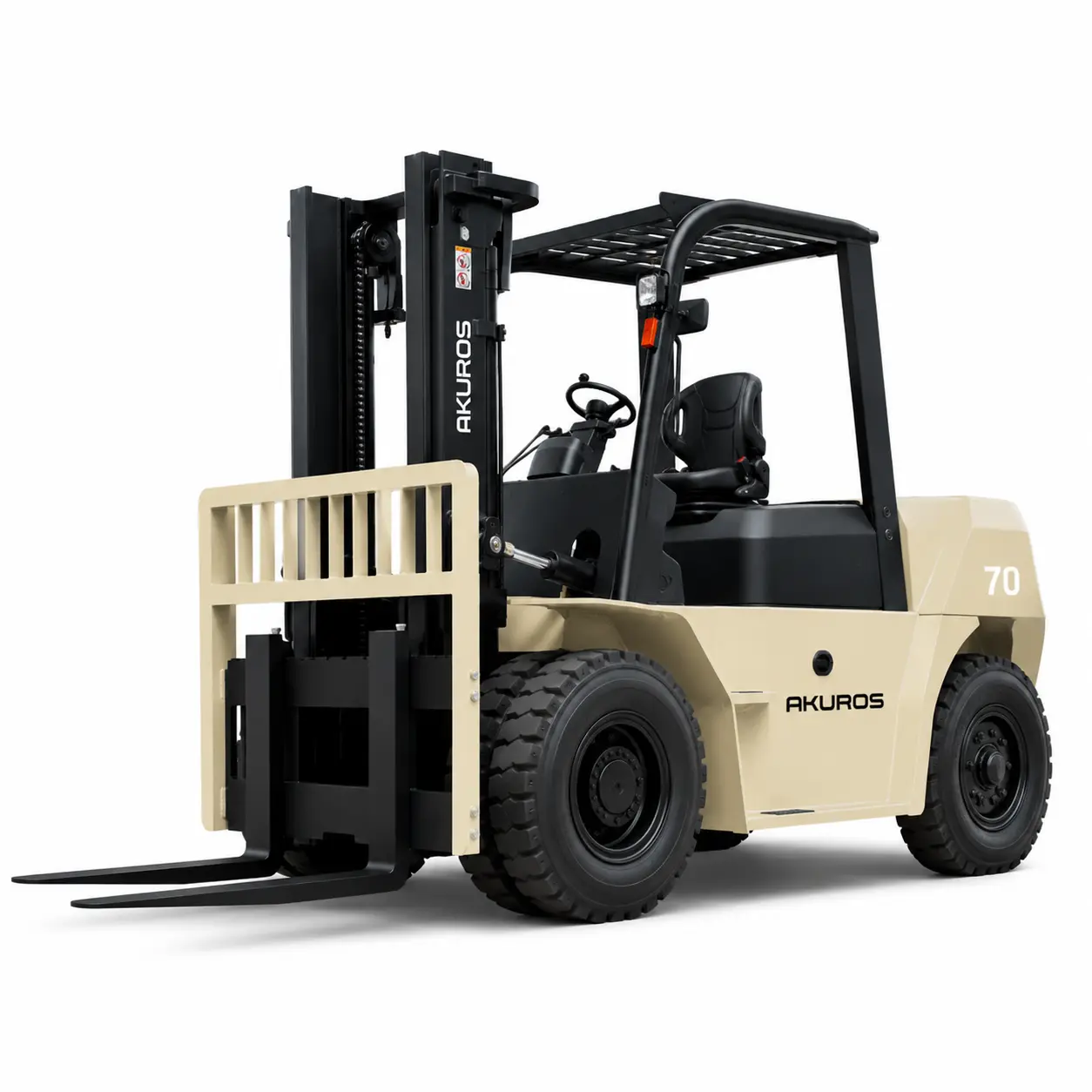 E70AE80A Counterbalanced Forklift |
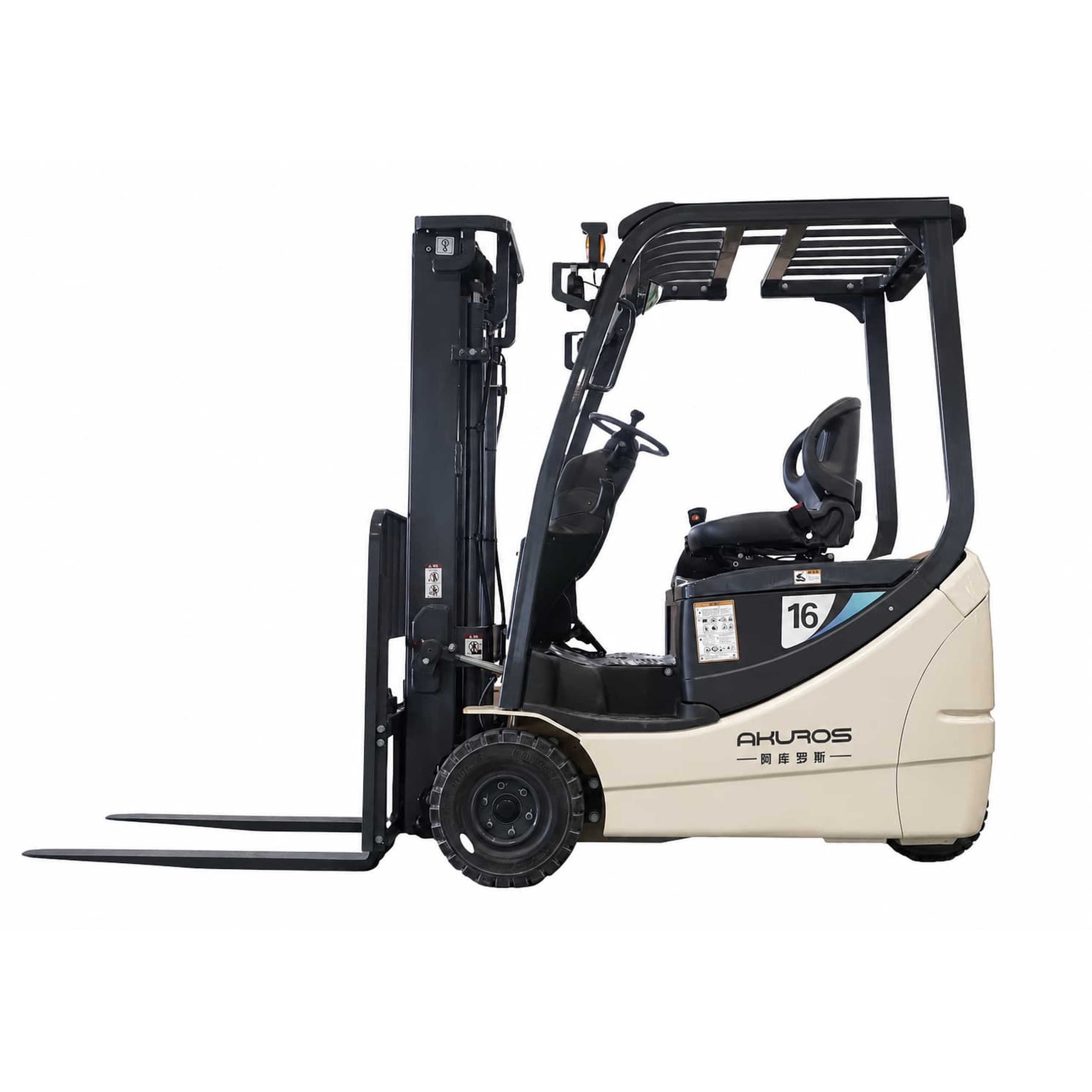 E16 Electric Counterbalanced Forklift |
Frequently Asked Questions About Counterbalance Forklifts
1. What are Counterbalance Forklifts best used for?
Counterbalance Forklifts are best used for pallet handling, truck loading and unloading, warehouse transport, manufacturing plants, loading docks and outdoor yard operations where direct front loading and versatile movement are required. Because they use a rear counterweight to balance loads carried on front forks, they can approach pallets directly without support legs. They are suitable for many industries, including logistics, food and beverage, building materials, retail distribution, manufacturing and heavy industrial handling.
2. Can electric Counterbalance Forklifts be used outdoors?
Electric Counterbalance Forklifts can be used outdoors in suitable conditions, but outdoor performance depends on tire type, ground condition, weather exposure, battery system, ground clearance, sealing and manufacturer recommendations. Smooth outdoor concrete, covered docks and short yard travel may be suitable for selected electric or lithium models. Rough yards, gravel, steep ramps, heavy rain exposure or long outdoor shifts require more careful evaluation of tires, traction, battery runtime and protection level.
3. Should I choose diesel LPG or electric counterbalance forklift?
Electric Counterbalance Forklifts are usually best for clean indoor work, lower noise and no on-site exhaust emissions during normal operation. Diesel forklifts can suit heavy outdoor work, rougher ground and long continuous use where fuel access is easy. LPG forklifts can work for mixed indoor and outdoor operations when ventilation and fuel handling are managed properly. The right choice depends on load weight, floor condition, shift length, charging or fuel infrastructure, emissions requirements, maintenance resources and total cost of ownership.
4. What tires are best for indoor and outdoor forklifts?
Cushion tires are best for smooth indoor concrete because they support compact turning and efficient warehouse movement. Pneumatic tires are better for outdoor yards, rough concrete, ramps and uneven surfaces because they provide stronger traction and shock absorption. Solid pneumatic tires are useful where puncture resistance is important. Non-marking tires may be used in clean indoor facilities that need floor protection. Buyers should match tire type to the real surface, not only the forklift model.
5. How do I choose a Counterbalance Forklifts supplier?
Choose a Counterbalance Forklifts supplier that can provide model recommendations, rated capacity, residual capacity charts, mast guidance, tire options, battery or fuel details, turning radius, gradeability, attachment compatibility, warranty, spare parts, service support, operator manual and maintenance guidance. A strong supplier should ask about your indoor/outdoor ratio, load weight, load center, lift height, aisle width, floor condition, ramp grade, shift duration and service expectations before recommending a forklift.
References
- 29 CFR 1910.178 Powered Industrial Trucks, Author: Occupational Safety and Health Administration, Institution: OSHA, Source: U.S. Workplace Safety Regulation.
- Powered Industrial Trucks eTool, Author: OSHA Technical Contributors, Institution: Occupational Safety and Health Administration, Source: Forklift Safety and Training Resource.
- ANSI/ITSDF B56.1-2020 Safety Standard for Low Lift and High Lift Trucks, Author: Industrial Truck Standards Development Foundation, Institution: ANSI and ITSDF, Source: Industrial Truck Safety Standard.
- Industrial Truck Operator Training Guidance, Author: OSHA Technical Contributors, Institution: Occupational Safety and Health Administration, Source: Powered Industrial Truck Training Reference.
- Forklift Safety Guide, Author: National Institute for Occupational Safety and Health Contributors, Institution: NIOSH, Source: Workplace Safety Reference.
- Warehouse Design and Material Handling Handbook, Author: Industry Engineering Contributors, Institution: Material Handling Industry Publications, Source: Warehouse Equipment Reference.
- Battery-Powered Industrial Truck Operation and Maintenance Guidance, Author: Industrial Battery Technical Contributors, Institution: Battery and Material Handling Industry Publications, Source: Electric Forklift Battery Reference.
- Quality Management Systems Requirements, Author: ISO Technical Committee Contributors, Institution: International Organization for Standardization, Source: Quality Management Reference.
How Buyers Should Choose Counterbalance Forklifts
How should buyers start a Counterbalance Forklifts selection project?
Buyers should start by defining the load, not the model. Confirm normal pallet weight, maximum load weight, load center, lift height, aisle width, floor condition, indoor/outdoor ratio, shift hours and attachment needs before comparing suppliers.
Why is indoor/outdoor ratio so important?
The indoor/outdoor ratio determines tire type, power system, ground clearance, traction, emissions, charging or fuel planning and operator comfort. A forklift that performs well in clean indoor aisles may not be suitable for ramps, wet yards or rough outdoor surfaces.
What option works best for indoor warehouses?
Indoor warehouses usually benefit from electric or lithium Counterbalance Forklifts because they provide lower noise, no on-site exhaust emissions during normal operation, smooth control and strong compatibility with clean floors and structured pallet movement.
What option works best for outdoor yards?
Outdoor yards usually need stronger tires, ground clearance, traction, weather protection and endurance. Diesel, LPG or outdoor-capable lithium models may be suitable depending on surface condition, duty cycle, emissions policy and fuel or charging infrastructure.
Consideration: What creates the highest forklift buying risk?
The highest risks come from choosing by rated capacity only, ignoring residual capacity, using indoor tires outdoors, buying diesel for enclosed spaces, failing to plan charging or refueling, and choosing a supplier without service and spare parts support.
Recommendation
Choose the forklift according to the toughest regular condition. Match power, tires, mast, capacity, attachments and service support to the real site, not to a generic catalog description.
Before ordering, send your supplier the load data, pallet size, lift height, aisle width, indoor/outdoor ratio, floor condition, ramp grade, shift schedule, attachment needs and preferred power type. A professional Counterbalance Forklifts supplier can recommend a safer and more cost-effective configuration.